
Childhood Without a Home, Part 1: The Child Sitting Next to Yours
Compared with much of the country, kids in New York and New Jersey begin school relatively late. My daughter just started her freshman year of high school on August 31.
Putting aside the tragic realization that I am now old enough to have a child in high school, I found myself thinking about everything that goes into setting her up for success.
There were clothes and school supplies to buy, schedules to coordinate, forms to complete, and first-day nerves to manage—which is harder for some kids than for others. But beneath those details are a few foundational realities we are fortunate not to worry about.
My daughter has reliable Wi-Fi to complete her assignments, a quiet place to do homework, and her own bed to sleep in at night. She has a fridge and pantry to pillage each morning, almost always stocked with enough options to keep her from arriving at school with an empty stomach and a hunger headache.
Ultimately, my kids have a consistent home to leave each morning and return to every afternoon. Far too many families in the United States are not nearly as fortunate.
During the 2023–2024 school year, public schools identified more than 1.5 million students experiencing homelessness—the highest number since national reporting began. That represented a nearly 13% increase in one year and a 28.5% increase in two.
Even that staggering figure is almost certainly an undercount, particularly because it does not fully capture infants, toddlers, and children whose housing instability is rarely identified.
The consequences follow these kids into the classroom. Nearly half of the students identified as homeless were chronically absent during the 2023–2024 school year. The most recent national graduation data tell a similar story: In 2022–2023, only 69.1% of students experiencing homelessness graduated—nearly 18 percentage points below the rate for students overall. (SchoolHouse Connection)
As I write this, millions of children are starting another school year and way too many of them are being set up to fail.
Some families prepare their children for school from motel rooms, where their belongings may be packed into plastic bags and piled in a corner. Others live in shelters, sleep in cars, or share someone else’s living room because they have no alternatives.
Imagine washing your child’s clothes in a motel sink. Imagine making every meal with nothing but a microwave or hot plate—if you have either one. Imagine desperately searching for a quiet place for your kids to do homework while your entire family shares one room. Imagine waking up and trying to get everyone to school on time while competing for showers, toilets, mirrors, storage space, and so many other things that most of us rarely have to think about.
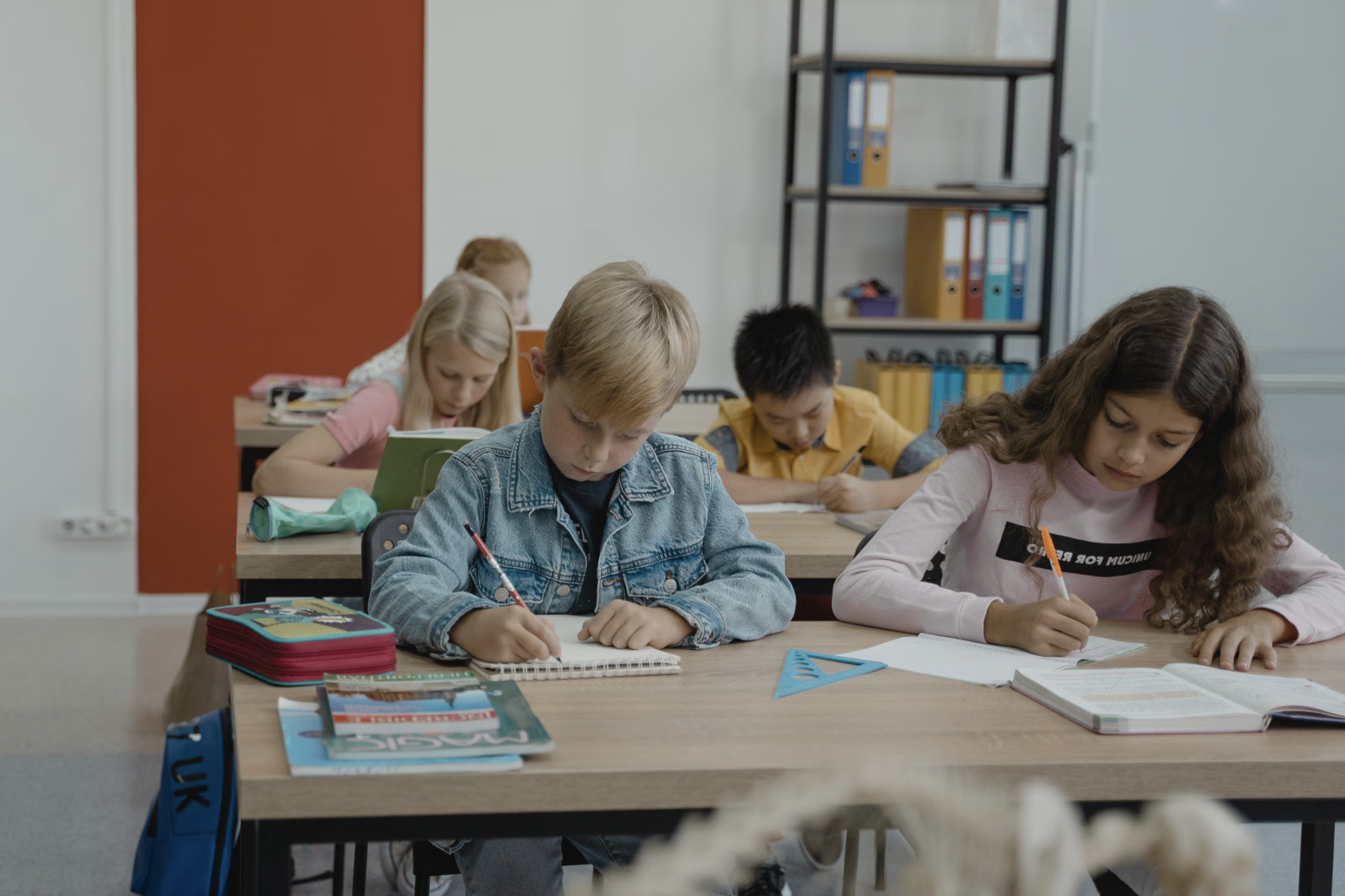
These children walk through the same school doors as ours. They sit beside them in math class, stand behind them in the lunch line, and run alongside them on the playground. They may arrive exhausted, lose their supplies, miss too many days, or just struggle to concentrate. Some work incredibly hard to make sure no one discovers where they are sleeping.
When we hear the word “homeless,” we tend to picture an adult sleeping on a sidewalk or rummaging through a trash can. But for children and families, homelessness is often hidden in plain sight.
Over the next several weeks, I plan to focus my weekly emails on what homelessness means for children living in the United States of America. Honestly, I’m not sure how long the series will last because I suspect this particular onion has more layers than even I can predict.
At the very least, we will explore why so many children experience homelessness in one of the wealthiest countries in the world, the connection between foster care and homelessness, the realities facing public-school teachers on the front lines, and the complexity of parenting in places never designed for human habitation.
We will also talk about what we can do about it.
This is not an invitation to feel guilty for caring deeply about our own children. It is an invitation to allow that care to expand—to notice and stand beside the child carrying a backpack but unsure where they will sleep tonight.
Every child deserves a safe place to call home. I hope you’ll join me as we learn to see, engage, and care for those who don’t have one.
With Gratitude,
Josiah Haken
City Relief, CEO
P.S. As we remember and grieve with those who lost loved ones on September 11, 2001, the City Relief team is praying for every family still living with an empty seat at the dinner table. We remain profoundly grateful for the thousands of police officers, firefighters, EMTs, and other courageous first responders who risk their lives to help others in times of crisis.
