
Bulletin Board
The place where you can stay up to date with the latest events, stories, news, and opportunities for our City Relief community.

Childhood Without a Home, Part 6: Their Story Doesn’t Have To End Where Their Pain Began
Last week, I introduced you to my friend and former colleague Malika Zlatkin. She has spent nearly eight years serving young people in foster care as a CASA—a Court Appointed Special Advocate. She’s also a former City Relief staff member and a leader at one of our NYC church partners, New Light Baptist Church.
Malika brought our team an idea: a paid internship for young people preparing to age out of foster care. They could learn professional skills in a supportive environment while serving people experiencing poverty and homelessness.
Childhood Without a Home, Part 5: Aging Out of a System Should Never Mean Aging Out of Community
As I've said over and over again, there is rarely just one reason someone falls into homelessness. Housing costs, unemployment, mental health challenges, addiction, fractured relationships can all play a role.
For young people leaving foster care, many of those vulnerabilities can converge at once, often at the exact moment they're expected to make it on their own.
But research suggests that 31% to 46% of young people transitioning out of foster care experience homelessness at least once by age 26.
My friend and former City Relief colleague Malika Zlatkin has spent nearly eight years serving as a Court Appointed Special Advocate (CASA) for children and young people in foster care in Bergen County, New Jersey.
Childhood Without a Home, Part 4: The Cost of Waiting
We’re spending more money on homelessness. So why are more people still losing their homes?
It’s a fair question. New York City’s budget for homeless services went from roughly $2.1 billion (with a “b”) in fiscal year 2020 to more than $3.1 billion in 2025—a nearly 50 percent increase. I’m all for investing in services that help our neighbors get back on their feet. But when spending and homelessness both keep rising, I understand why people wonder whether any of it is working.
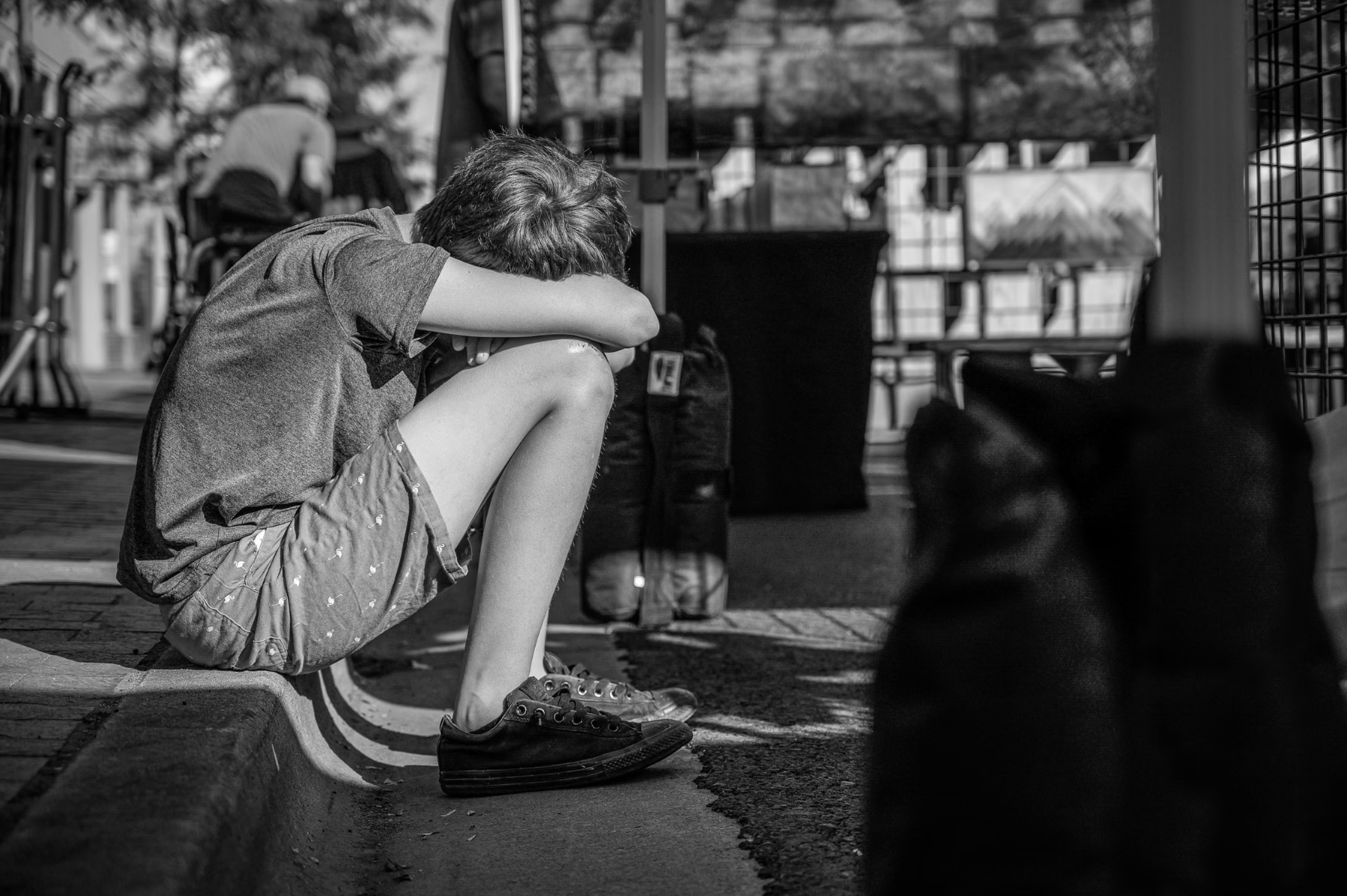
Childhood Without a Home, Part 3: The Child Behind the Cardboard Sign
Every so often, I have the privilege of speaking at one of the churches that partners with City Relief. When I’m especially lucky, the pastor and a few members of the congregation buy me lunch afterward.
Not long ago, I spoke at Scarsdale Community Baptist Church in Scarsdale, New York. A few members of the church invited me to join them for lunch nearby, including a woman who teaches in the Bronx.
Childhood Without a Home, Part 2: When One Crisis Costs a Family Everything
I’ll never forget a father and his teenage son who sat across from me at a City Relief outreach in Harlem many years ago. Someone had given them a flyer with our location the night before. Desperate to find help, they walked all the way from the Bronx.
His son wouldn’t meet my eyes. At fifteen years old, he stared at the floor as his father told me what had happened. His wife had died a few months earlier. He had quit his job to care for her during the final months of her life, and without a steady income, the family fell behind on rent. Shortly after her death, they were evicted.
This boy had lost his mother and his home in a matter of months.

Childhood Without a Home, Part 1: The Child Sitting Next to Yours
Compared with much of the country, kids in New York and New Jersey begin school relatively late. My daughter just started her freshman year of high school on August 31.
Putting aside the tragic realization that I am now old enough to have a child in high school, I found myself thinking about everything that goes into setting her up for success.

The World Needs More Neighbors
Over the past few weeks, we’ve been exploring what it means to see, welcome, and move toward people experiencing hardship.
We began with a man in the South Bronx who taught me that while people experiencing poverty are often recipients of ministry, they may also be the people through whom God ministers to the rest of us.
Then we considered the difference between Disney and the DMV, and why our processes should always serve people, not the other way around.

How Many People Do We Miss Because We Never Look Up?
Over the last two weeks, I’ve written about seeing people differently and creating spaces where they feel genuinely welcomed. Last week, I argued that our processes should exist to serve people, not the other way around.
But even the best process cannot help someone who never finds their way through our doors. Welcoming people when they come to us matters. We must also practice looking up, stepping outside, and moving toward those who may never ask for help.

A Wide Open Door Can Only Help When You Can Find It
Last week, I wrote about the difference between Disney and the DMV—and why our processes should always exist to serve people, not the other way around.
But there is another question we need to ask: What about the people who never make it through our doors in the first place?
We can create the most welcoming church, compassionate nonprofit, or accessible social-service program imaginable. We can improve our signs, simplify our paperwork, train our volunteers, and fill our buildings with people who genuinely care.
All of that matters.
Our Process Exists to Serve People—Not the Other Way Around
Disney and the DMV are both effective organizations, but they make you feel very different. My kids would vehemently protest if I invited them to spend an afternoon running errands with me. Tell them we’re going to Disney, however, and I’d get a very different response.
At Disney, nearly every detail is designed around the guest experience. Signs help you find your way, employees anticipate your questions and are trained to make every problem less… problematic. There are shops offering food, toys, and games, and there are characters everywhere ready to pose for photos. The environment communicates: “We knew you were coming, and we’re glad you’re here.”
What If We Need The Poor More Than The Poor Need Us?
For years, I assumed my role was simple. I had something to offer. People experiencing poverty had needs, and my job was to help.
Then one afternoon in the South Bronx, everything changed.
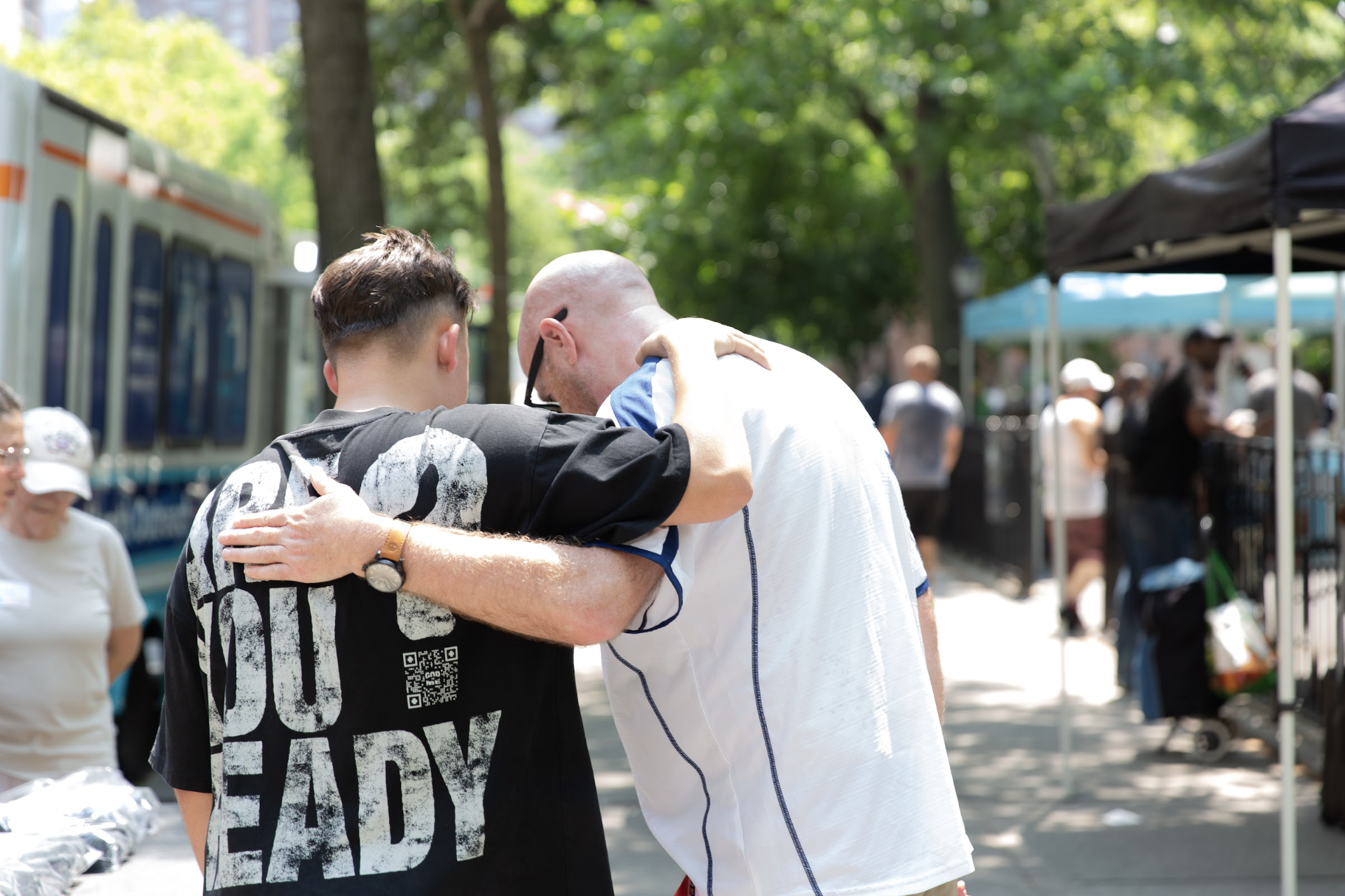
I met a man sitting alone on a street corner. He was an older African American gentleman with a gray beard and a scar that permanently closed one eye. I offered to bring him a bowl of our famous City Relief soup. He politely declined. I offered him a hot chocolate. Again, he said no.
Running out of ideas, I asked, “Would you like me to pray for you?”
He smiled and replied, “No thanks… but I’d like to pray for you.”
Give. Volunteer. Advocate. Pray.
Summer is a strange season to lead a nonprofit. On one hand, I love it. The days are longer. Churches send mission teams. Students volunteer. Families gather outside. There’s an energy to summer that feels hopeful.
On the other hand, it can be one of the most challenging seasons for organizations like City Relief. When school lets out and families head on vacation, routines change—including charitable giving. Consider this: research suggests that roughly 20–30% of annual online giving can happen in December alone, with as much as 10% occurring in the final three days of the year.
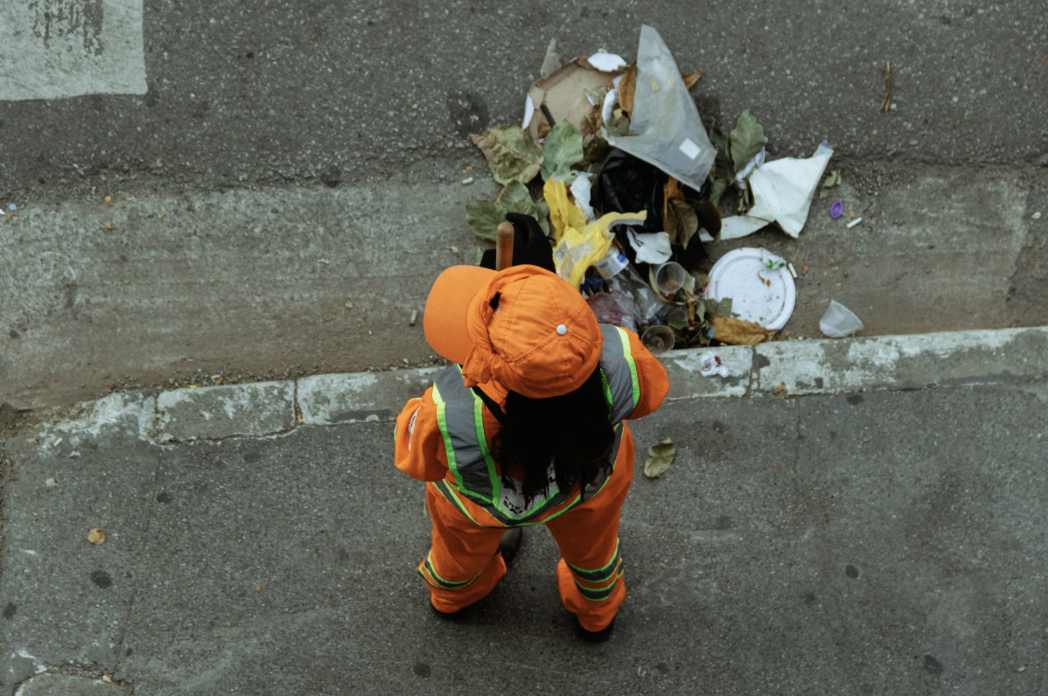
Why We Hide Homelessness When the Circus Comes to Town (or the World Cup)
If you are anything like me, you probably got swept up in the excitement of the World Cup over the last six weeks. You may or may not know that I grew up in the West African country of Cameroon, where football—or, as Americans call it, “soccer”—is basically a religion.
I’ll never forget the collective citywide groans and cheers I witnessed as a kid whenever the Cameroon national team scored a goal (or almost scored a goal), or when a referee made a questionable call on the pitch—or “field.”
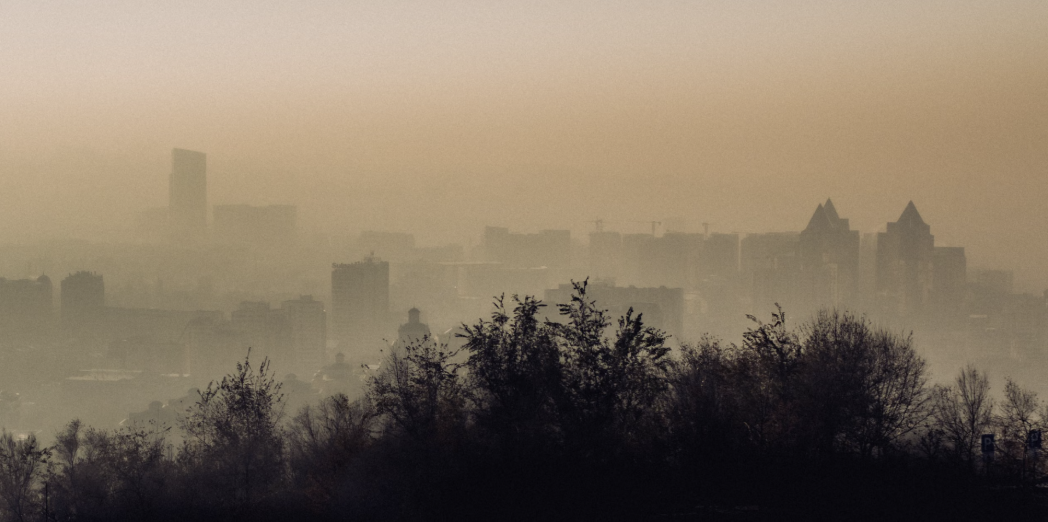
The Absence of Protection
I stepped outside the other day to take my dog for a walk, and the smell of smoke hit me immediately. The sky had an eerie orange tint. For a brief moment, I wondered if I’d somehow wandered into The Book of Eli—a post-apocalyptic world where water was more valuable than gold. Then I remembered the Canadian wildfires.
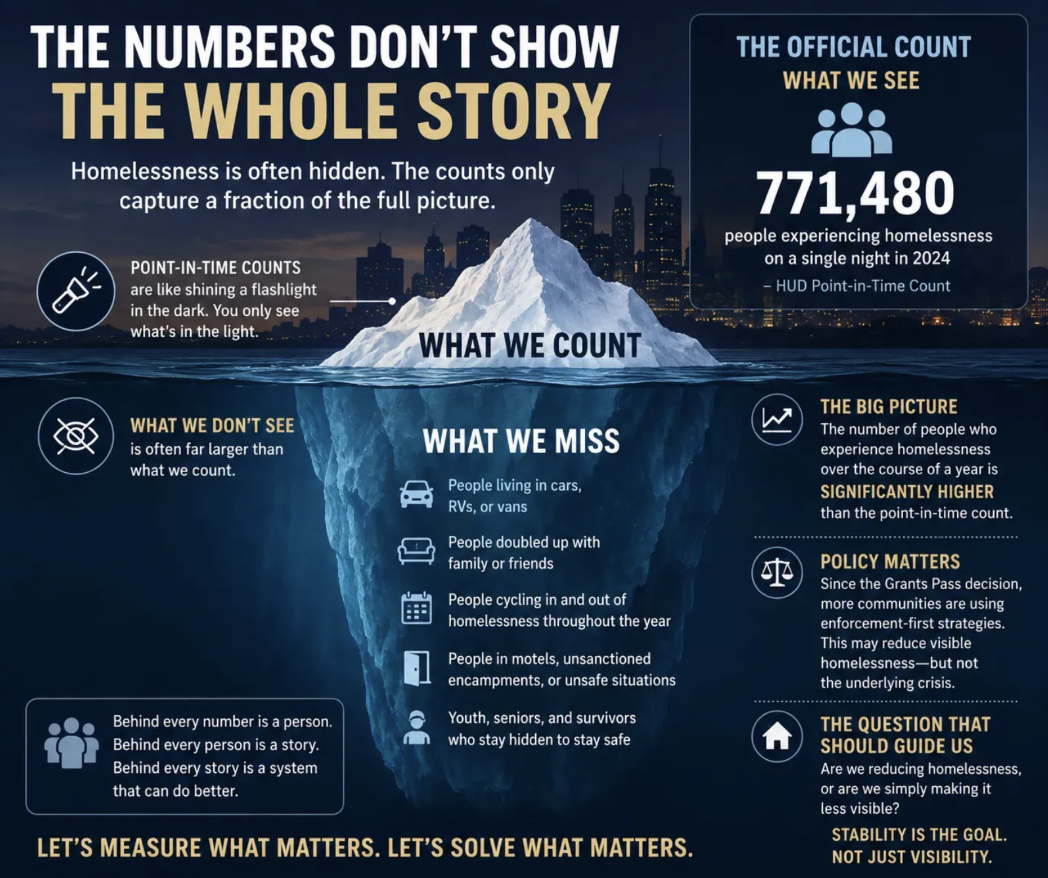
4,991 is Just The Tip of the Iceberg
4,991. That’s the number of people counted sleeping on the streets of New York City on the night of March 10, 2026—the highest HOPE Count since the survey began.
If you’ve been reading these newsletters, you know I often describe homelessness as an iceberg. The people counted in the HOPE survey represent only the visible tip. These are our neighbors who, for any number of reasons, cannot remain in traditional dorm-style shelters. Many are living with serious mental illness, substance use disorder, or both. But they didn’t simply appear on the streets overnight. Most have spent years trying to survive while navigating a maze of fragmented services, outreach programs, hospitals, and interactions with law enforcement.

100+ Degrees - The Deadliest Weather is Here
About ten years ago, my family made the same mistake thousands of others make every year—we took our young kids to Disney World in the middle of the summer.
Our daughter was still little enough that she couldn't walk very far on her own, so she spent most of the day bouncing between her stroller and my shoulders. Between the relentless Florida sun, the heat radiating off the pavement, and miles of walking, I eventually hit my limit. I remember getting to the point where I could barely see through the sweat running into my eyes.
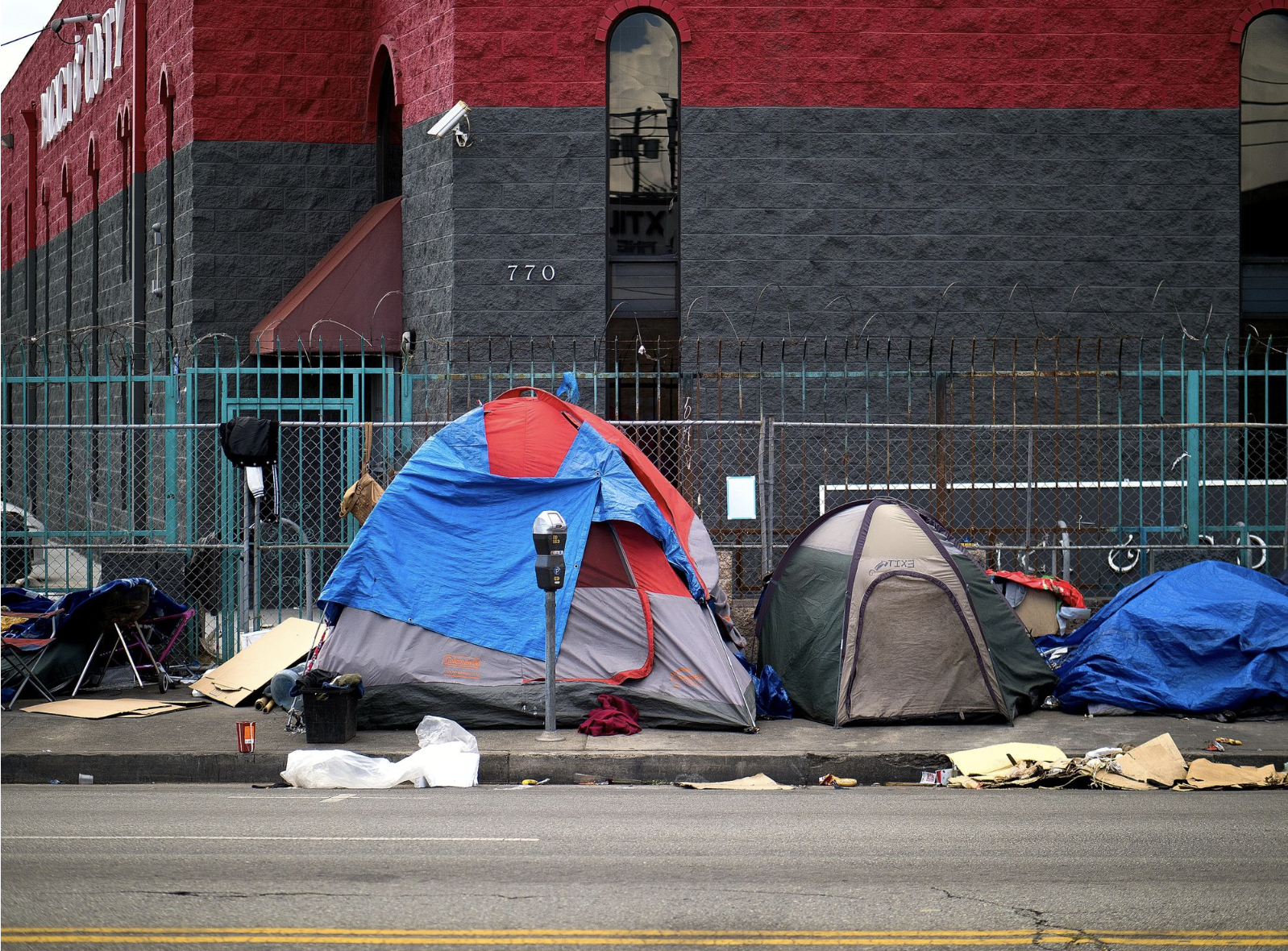
Why "Service Resistant" Doesn't Tell The Whole Story | Veteran Homelessness Week 5
Over the last few weeks, we've explored some of the barriers veterans face when trying to access housing and support. We've talked about documentation, complex systems, instability, and trauma. Last week, we paused to reflect on Juneteenth. This week, I want to return to a topic that intersects with both veteran homelessness and homelessness more broadly: trauma.
In the homelessness services world, the phrase "service resistant" gets used frequently. It's typically used to describe someone who declines help, misses appointments, avoids case managers, or disengages from services. Sometimes the label fits. But after fifteen years of outreach, I've become increasingly skeptical of how often it's used. Because what we often interpret as unwillingness may actually be inability.
The Intersection of Juneteenth, Veterans and Homelessness | Veteran Homelessness Week 4
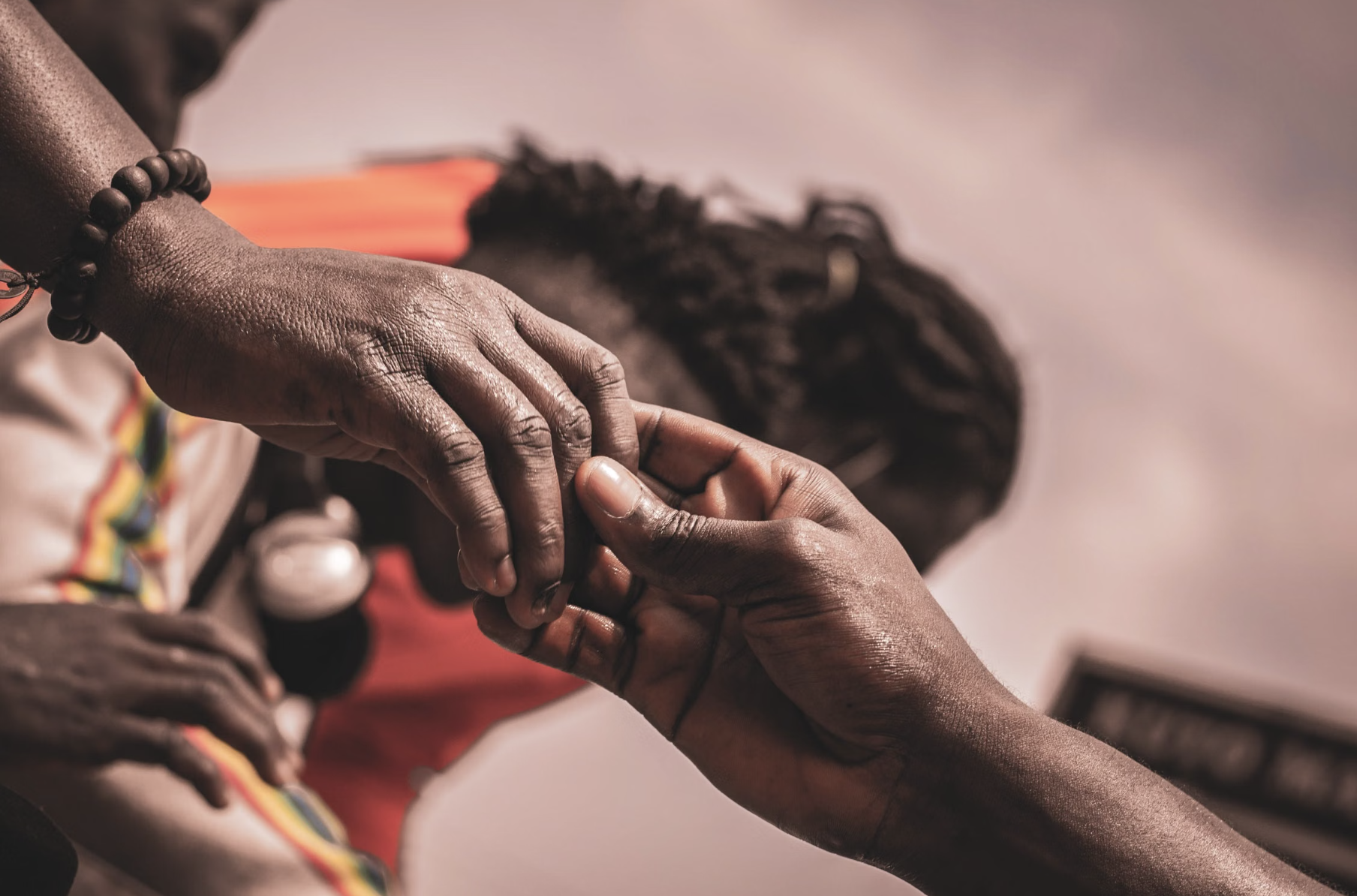
Honestly, I didn’t learn about Juneteenth until I was an adult. Like many Americans, I made it through years of school without fully understanding why June 19th holds such deep significance for so many of my Black brothers and sisters.
Juneteenth commemorates June 19, 1865, when Union troops arrived in Galveston, Texas, and announced that enslaved people were free, more than two years after President Abraham Lincoln signed the Emancipation Proclamation.
Trauma is A Part Of The Story | Veteran Homelessness Week 3
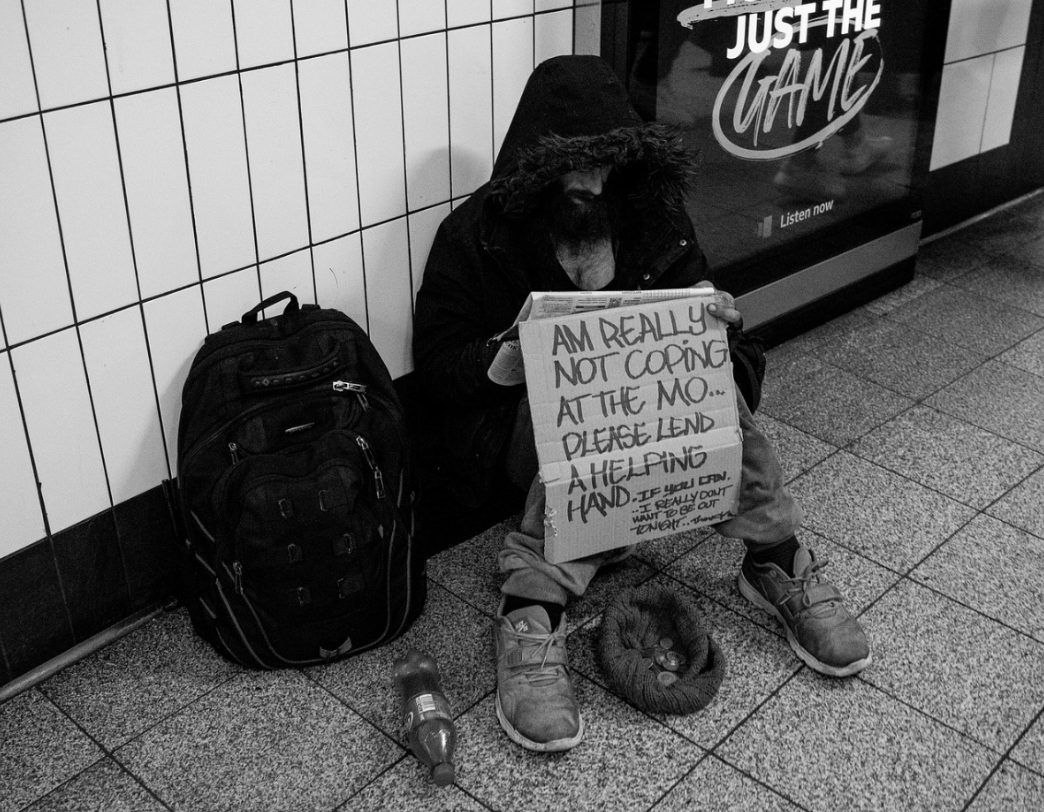
Over the last two weeks, we've explored barriers veterans face when accessing housing, healthcare, and other support. We've discussed missing documentation, complex systems, and the difficulty of navigating resources while in crisis.
This week, I want to explore something less visible: trauma.
Before we go further, it's worth acknowledging that the word trauma is used frequently these days. Sometimes it accurately describes genuinely life-altering experiences. Other times it's used more casually for situations that were uncomfortable, frustrating, or disappointing.
As a result, many people have grown skeptical of the term. The more broadly it's applied, the harder it can be to recognize and respond to trauma when it's truly present.
Veteran Homelessness And The Three Barriers That Fuel It | Week 2
Last week, I wrote about the progress our country has made in reducing veteran homelessness. Since 2010, veteran homelessness has been cut by more than half nationwide!
That's remarkable progress.
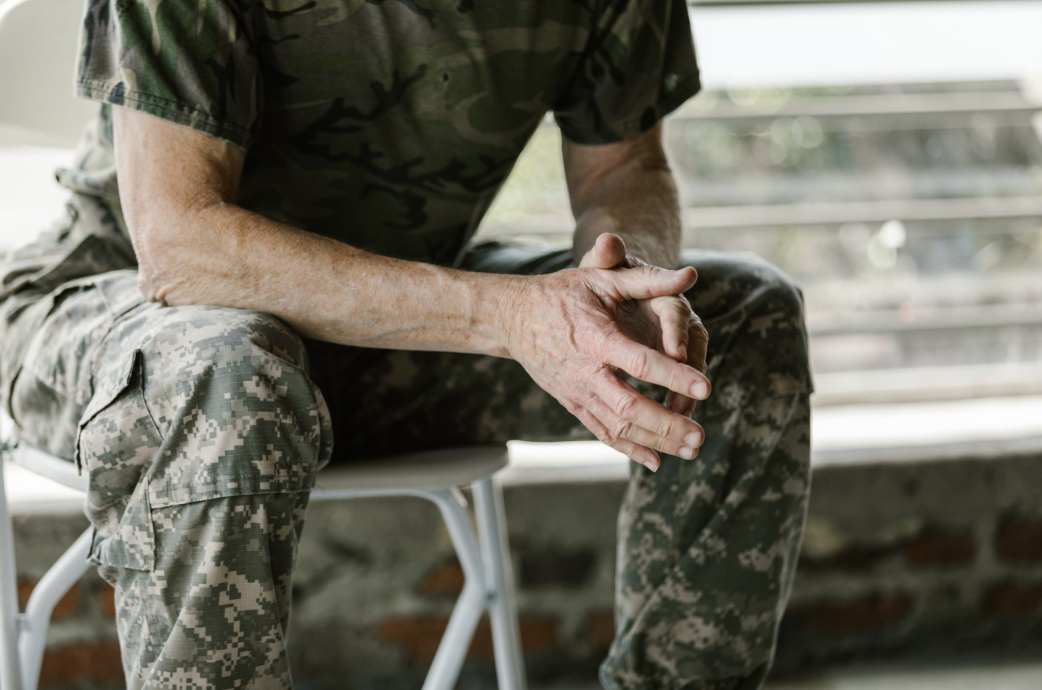
But it also raises an important question: If housing programs, healthcare benefits, disability assistance, and other resources exist specifically for veterans, why do thousands of veterans still experience homelessness every night?
After fifteen years of street outreach, I've learned that the challenge is often not the absence of help. It's access. At City Relief, we regularly meet veterans who qualify for support but struggle to obtain it. While every story is different, three barriers come up again and again.