
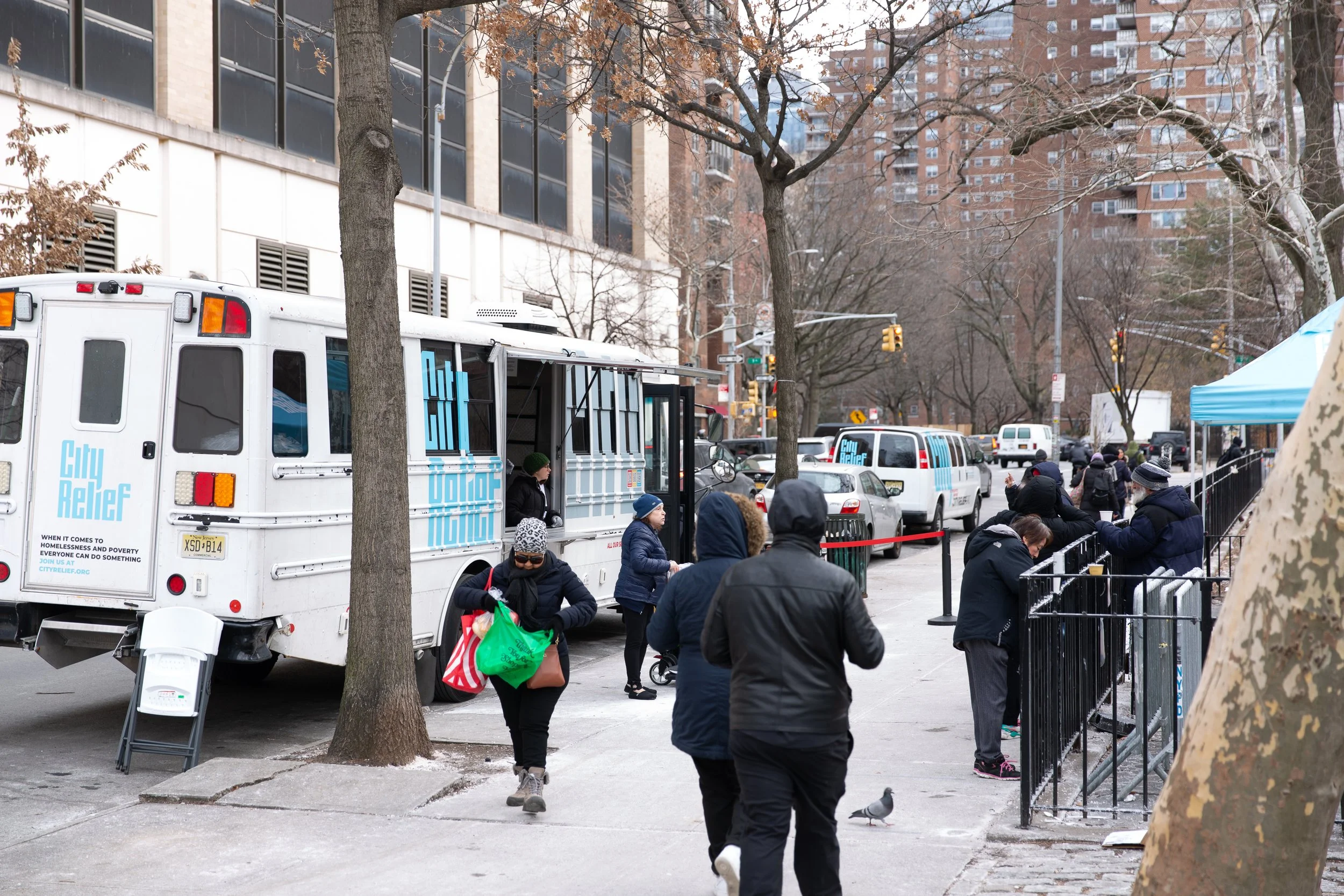
Bulletin Board
The place where you can stay up to date with the latest events, stories, news, and opportunities for our City Relief community.
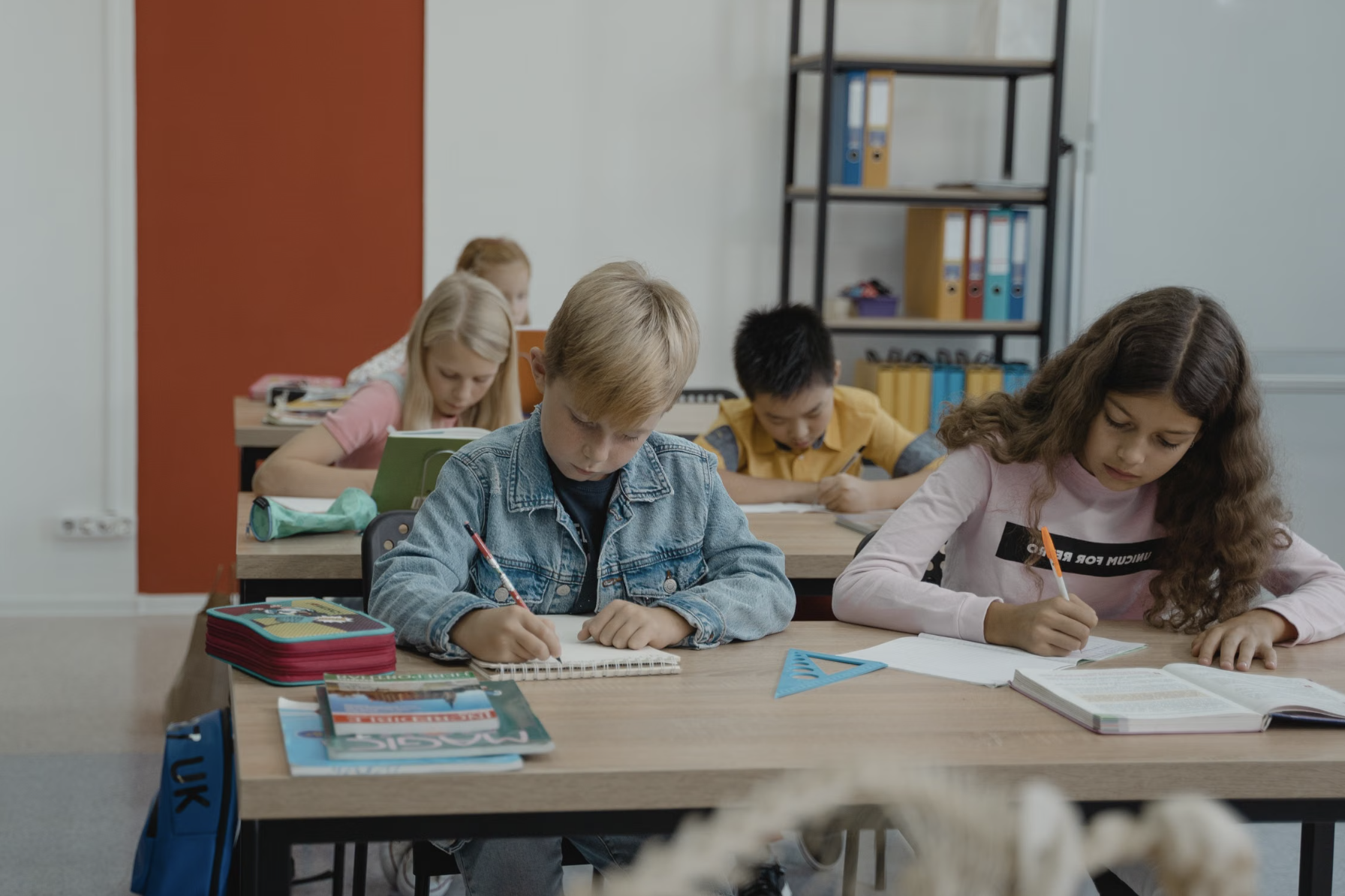
Childhood Without a Home, Part 1: The Child Sitting Next to Yours
Compared with much of the country, kids in New York and New Jersey begin school relatively late. My daughter just started her freshman year of high school on August 31.
Putting aside the tragic realization that I am now old enough to have a child in high school, I found myself thinking about everything that goes into setting her up for success.

The World Needs More Neighbors
Over the past few weeks, we’ve been exploring what it means to see, welcome, and move toward people experiencing hardship.
We began with a man in the South Bronx who taught me that while people experiencing poverty are often recipients of ministry, they may also be the people through whom God ministers to the rest of us.
Then we considered the difference between Disney and the DMV, and why our processes should always serve people, not the other way around.

How Many People Do We Miss Because We Never Look Up?
Over the last two weeks, I’ve written about seeing people differently and creating spaces where they feel genuinely welcomed. Last week, I argued that our processes should exist to serve people, not the other way around.
But even the best process cannot help someone who never finds their way through our doors. Welcoming people when they come to us matters. We must also practice looking up, stepping outside, and moving toward those who may never ask for help.
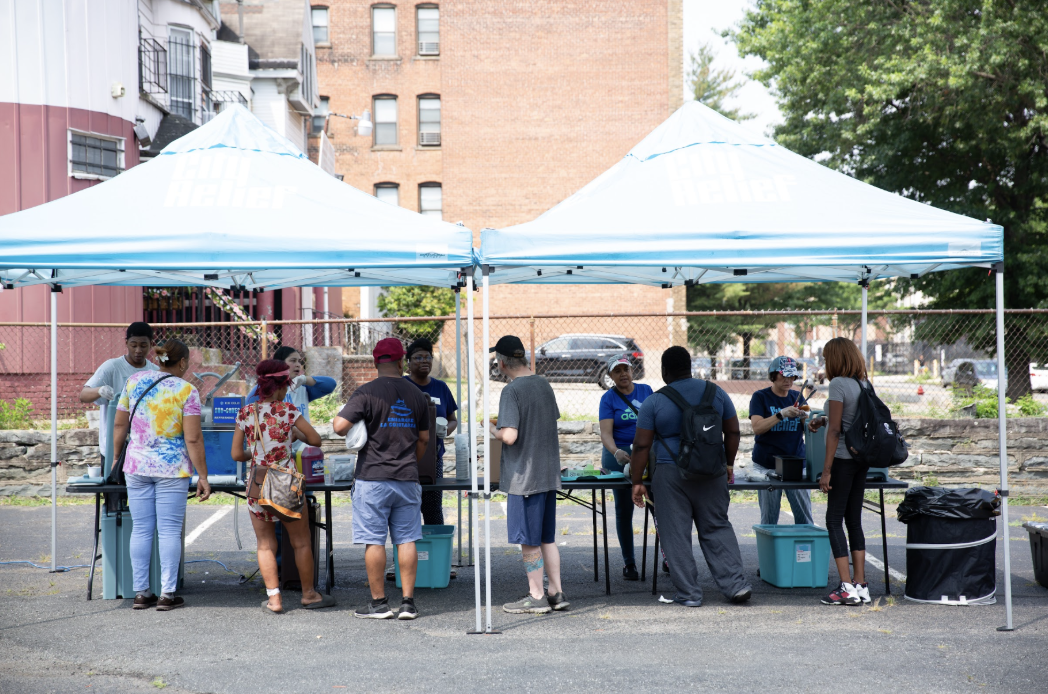
Our Process Exists to Serve People—Not the Other Way Around
Disney and the DMV are both effective organizations, but they make you feel very different. My kids would vehemently protest if I invited them to spend an afternoon running errands with me. Tell them we’re going to Disney, however, and I’d get a very different response.
At Disney, nearly every detail is designed around the guest experience. Signs help you find your way, employees anticipate your questions and are trained to make every problem less… problematic. There are shops offering food, toys, and games, and there are characters everywhere ready to pose for photos. The environment communicates: “We knew you were coming, and we’re glad you’re here.”
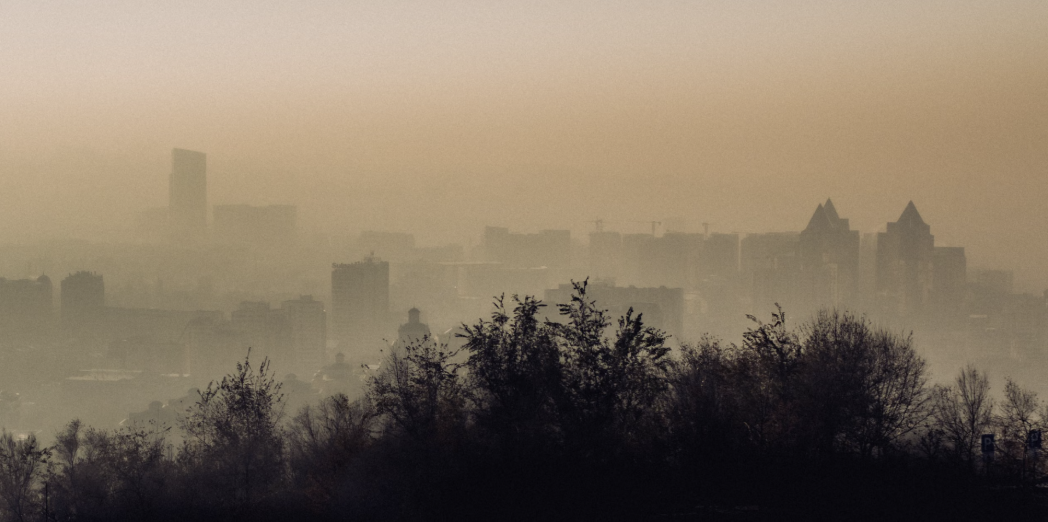
The Absence of Protection
I stepped outside the other day to take my dog for a walk, and the smell of smoke hit me immediately. The sky had an eerie orange tint. For a brief moment, I wondered if I’d somehow wandered into The Book of Eli—a post-apocalyptic world where water was more valuable than gold. Then I remembered the Canadian wildfires.
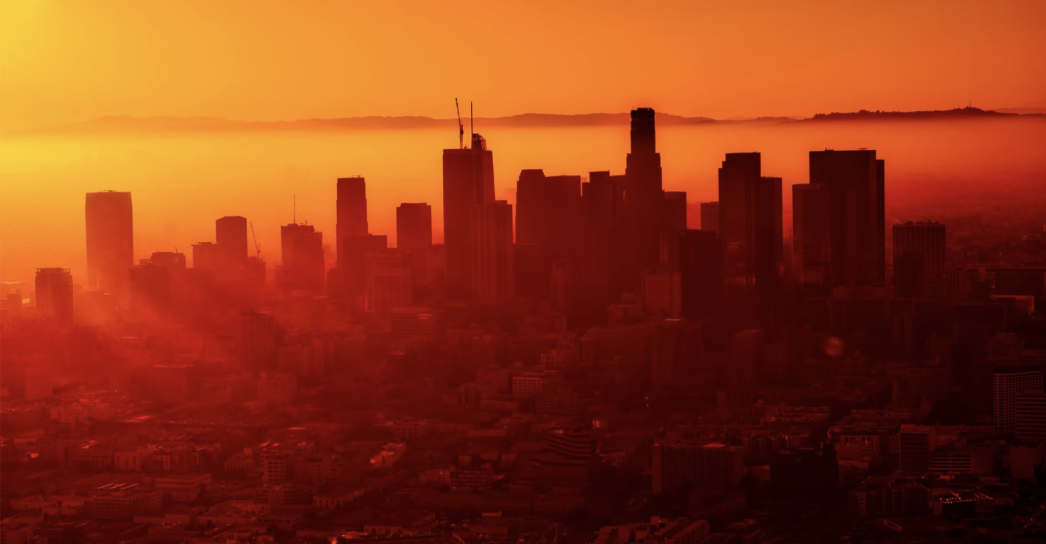
100+ Degrees - The Deadliest Weather is Here
About ten years ago, my family made the same mistake thousands of others make every year—we took our young kids to Disney World in the middle of the summer.
Our daughter was still little enough that she couldn't walk very far on her own, so she spent most of the day bouncing between her stroller and my shoulders. Between the relentless Florida sun, the heat radiating off the pavement, and miles of walking, I eventually hit my limit. I remember getting to the point where I could barely see through the sweat running into my eyes.
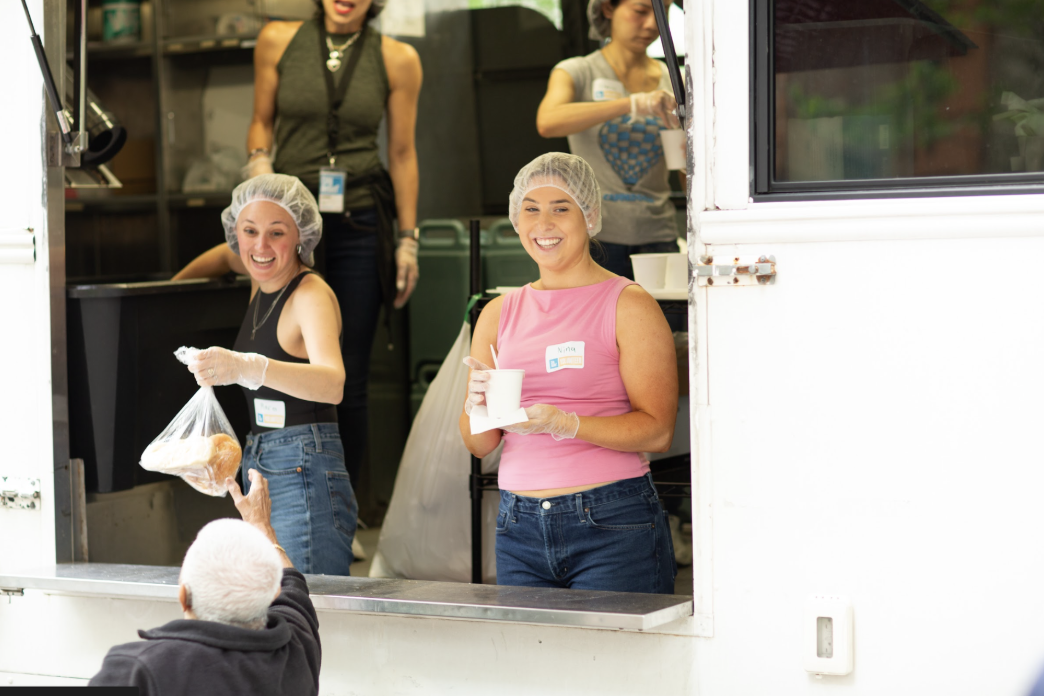
The Crisis is Layered. The Solution Must Be Too. | Our Efforts Week 7
Over the last few weeks, we’ve talked about Housing First, Shelter First, and Enforcement First. And if there’s one thing I hope this series has made clear, it’s this: Homelessness is not a simple problem with a single “one size fits all” solution.
It’s an ocean fed by many rivers: rising housing costs, trauma, mental illness, addiction, disability, economic instability, family breakdown, and systems that are often too complicated to navigate while in crisis.
Which means no single solution can carry the full weight of the problem on its own.
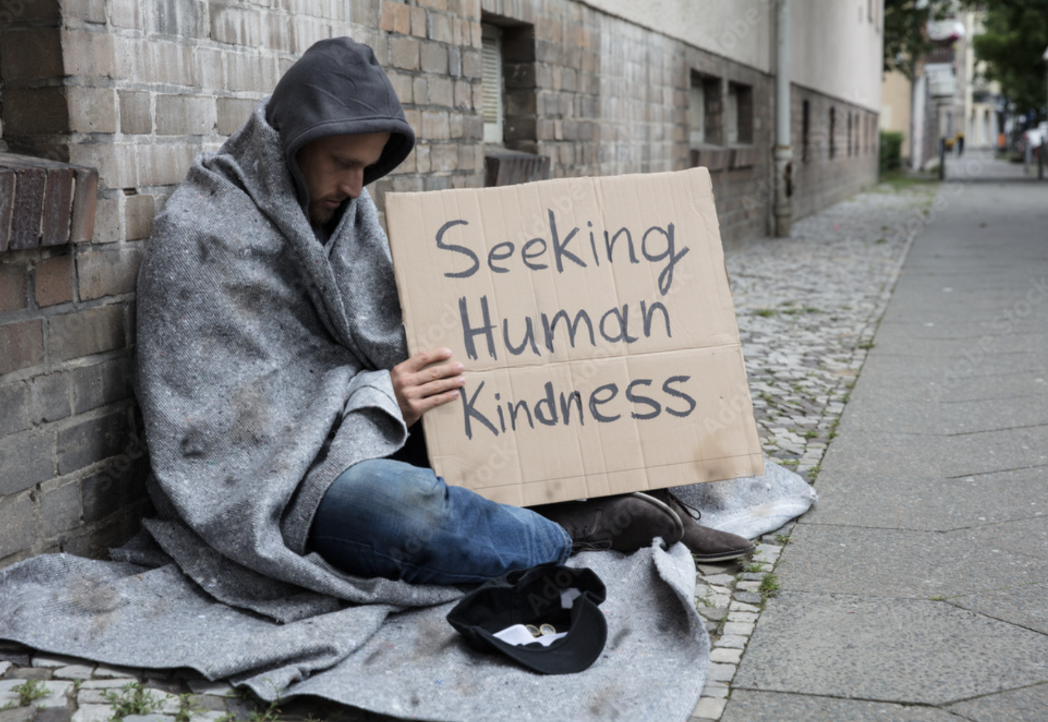
What "Enforcement First" Actually Looks Like | Our Efforts Week 6
And to be fair, those frustrations are real. No one wants neighborhoods to feel unsafe. No one wants people living in crisis on sidewalks or public transit systems. Communities deserve solutions too.
But here’s the question we have to wrestle with honestly: What happens when enforcement becomes the primary strategy before viable alternatives actually exist? Because for someone like James, enforcement doesn’t resolve homelessness. It simply makes homelessness harder to survive.
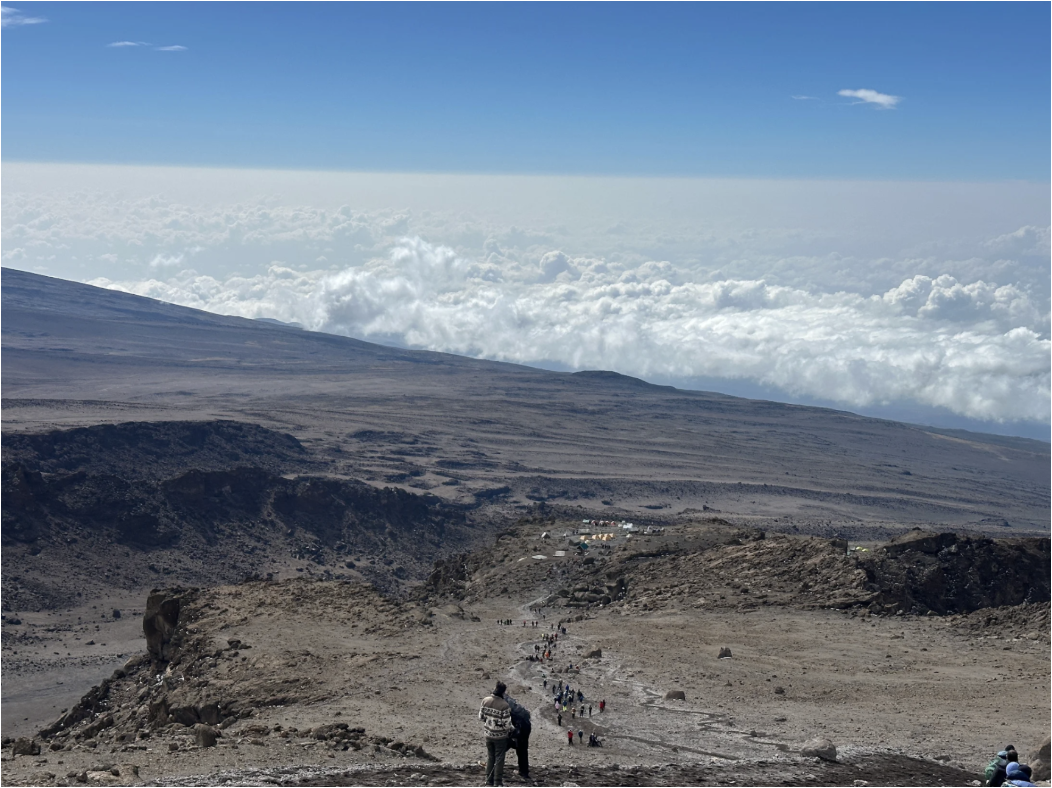
Lessons From Kilimanjaro: When the Only Way Down Is Up (Week 3)
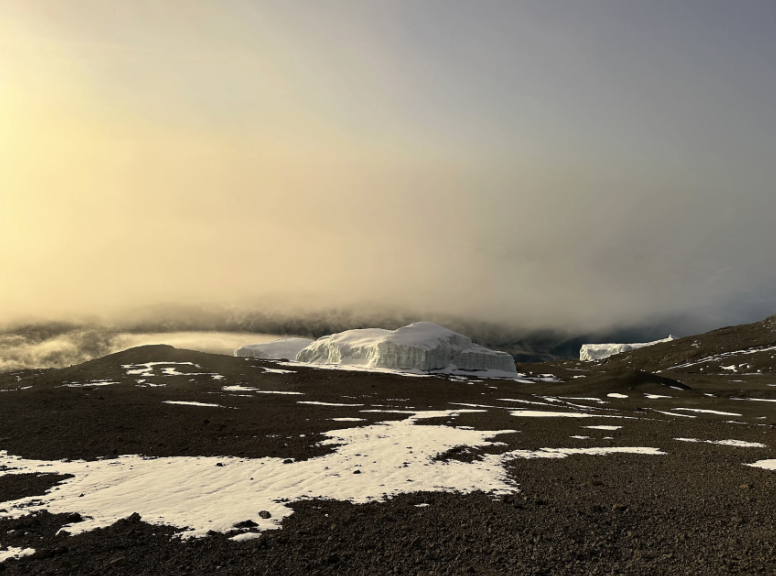
The storm had passed by morning, but the mountain hadn't made any promises.
The sky above camp was wide and blue, almost offensively calm. If you hadn't been there the night before, you would assume everything was fine, but my body knew better.
The violent shaking was gone, but I wasn't restored. My appetite had disappeared, my head felt heavy, and my legs felt hollow — not weak exactly, just empty.
Lessons from Kilimanjaro - What a Storm and a Lost Bag Taught Me About Vulnerability (Week 2)
Last week I wrote about rhythm — how the mountain forces you to slow down.
This week is about the storm.
WEEK 7: Disability Discrimination & the Systematic Exclusion of People Who Are Different
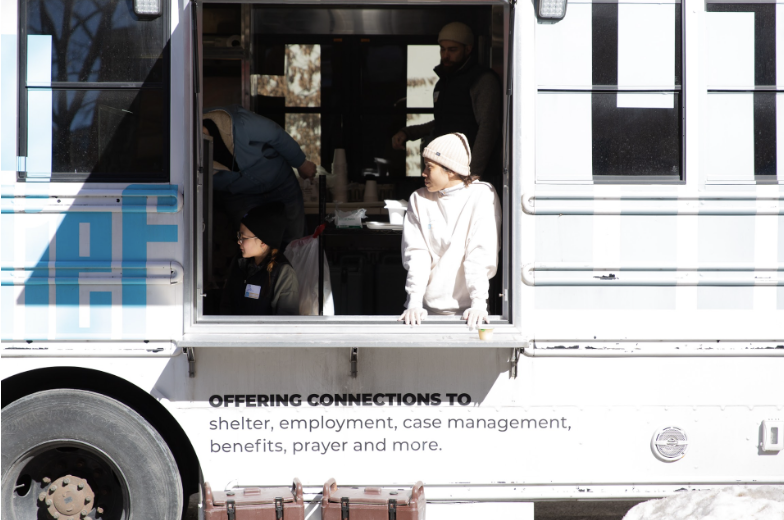
I had planned to land the plane on this series about the complexity of homelessness—why the tidy stories we tell ourselves are incomplete and, often, harmful. But last week, I only brushed up against a reality that deserves far more attention: the intersection of disability discrimination and homelessness, and the quiet ways people are excluded from support long before they ever fall into crisis.
WEEK 6: He Had Heart Surgery. Then He Was Back on the Street.
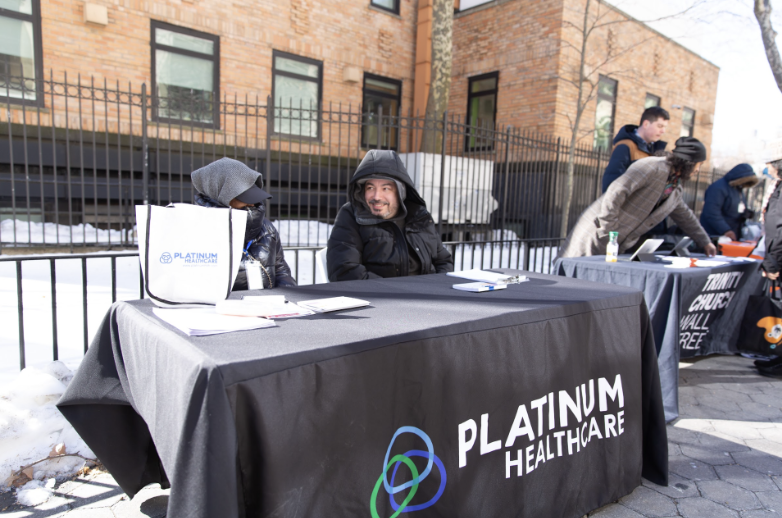
This week, I want to zoom in on another layer of complexity that makes accessing safe and sustainable housing so difficult: healthcare, mental health services, and long-term care for aging or disabled loved ones.
WEEK 5: Those Who Don’t Know History Are Destined to Repeat It
Over the past few weeks, I've written about the complexity of homelessness—why congregate shelters aren't a solution for everyone, why creative approaches matter, and why the data we track doesn't always capture the full reality of the problem.
Underneath all of it is a more fundamental question: How did we get here, and why is homelessness so hard to fix?
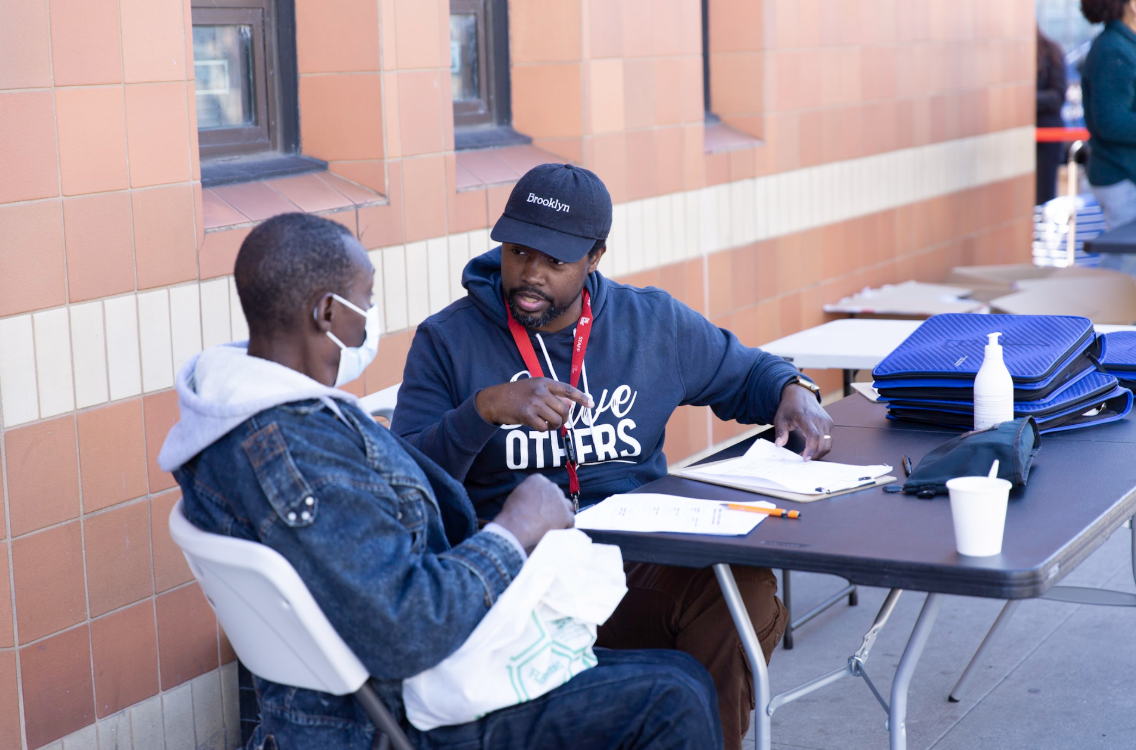
WEEK 4: Why Counting Homelessness Isn’t the Same as Ending It
Part of the challenge in addressing homelessness is that many of our public conversations focus on managing the most visible effects of the crisis rather than understanding the deeper systems that keep people stuck in it. In city halls, community board meetings, and policy discussions across the country, the way we measure the problem often shapes what we believe is possible in responding to it.
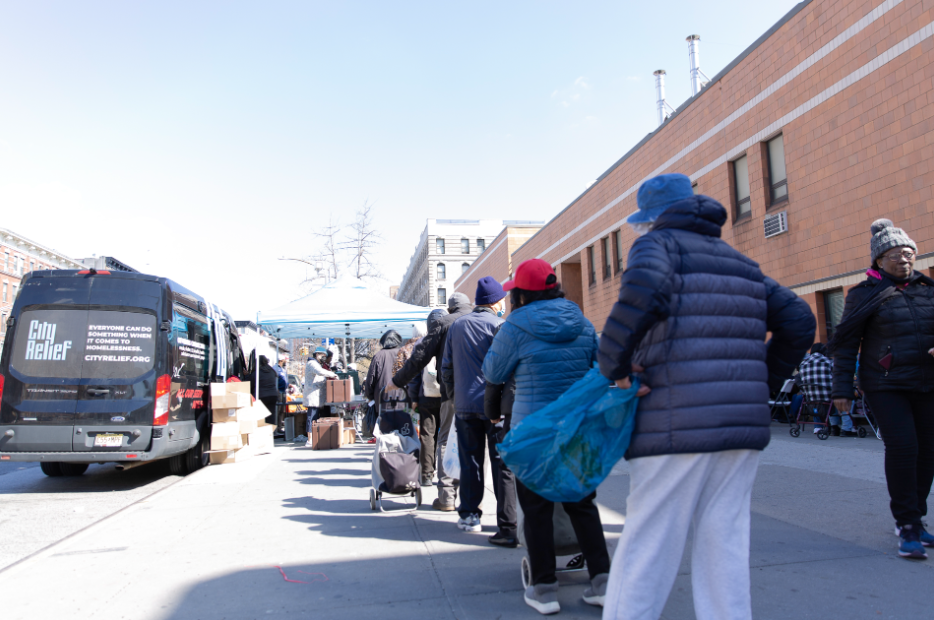
WEEK 3: Creative Solutions for a Systemic Problem
Last week, I shared some of the reasons why traditional shelters don't work for everyone, and why sleeping outside is not usually a first choice, but a last resort.
So the question becomes: what are the alternatives, if any?
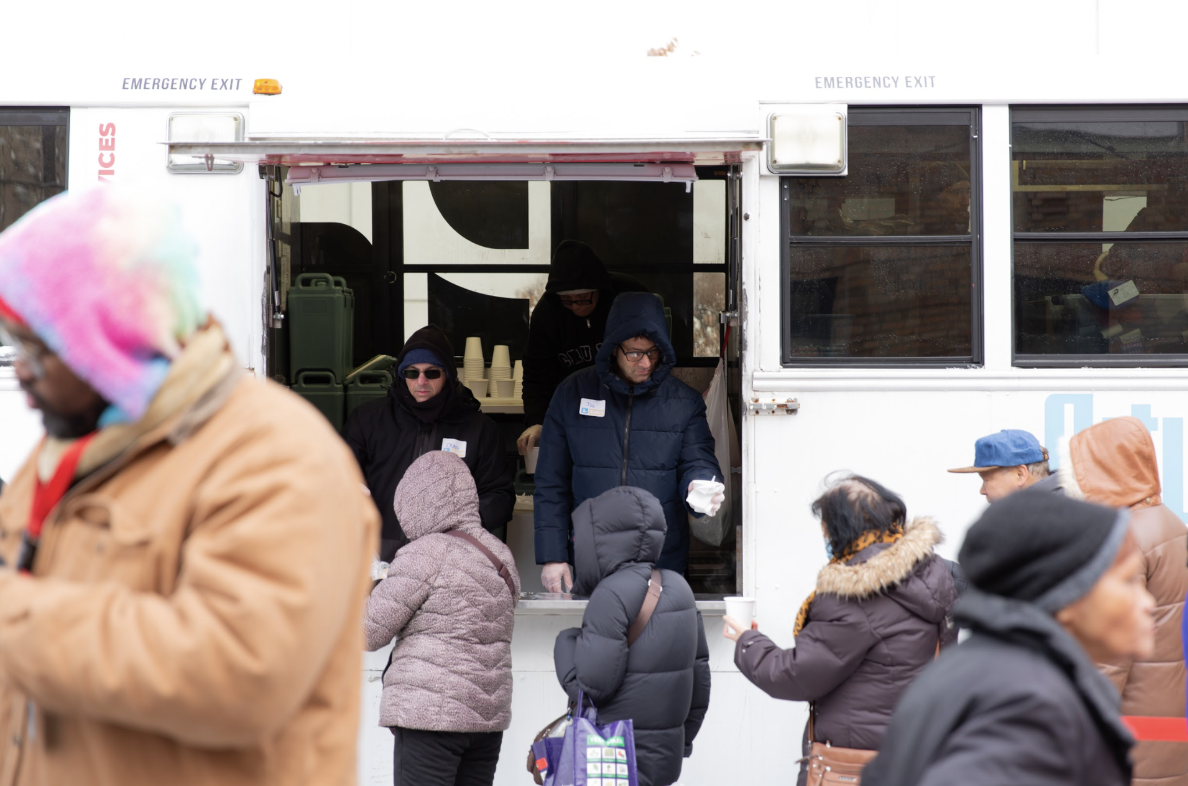
WEEK 2: The Shelter System That Pushes People Outside
I'll never forget the first time I toured the Bellevue Intake Shelter in New York City when I began working at City Relief.
Walking toward the former psychiatric hospital—now the primary intake point for single adult men entering the city's shelter system—I immediately felt uneasy. The building looked like something out of a Batman comic, the kind of place designed to contain danger rather than do any good.
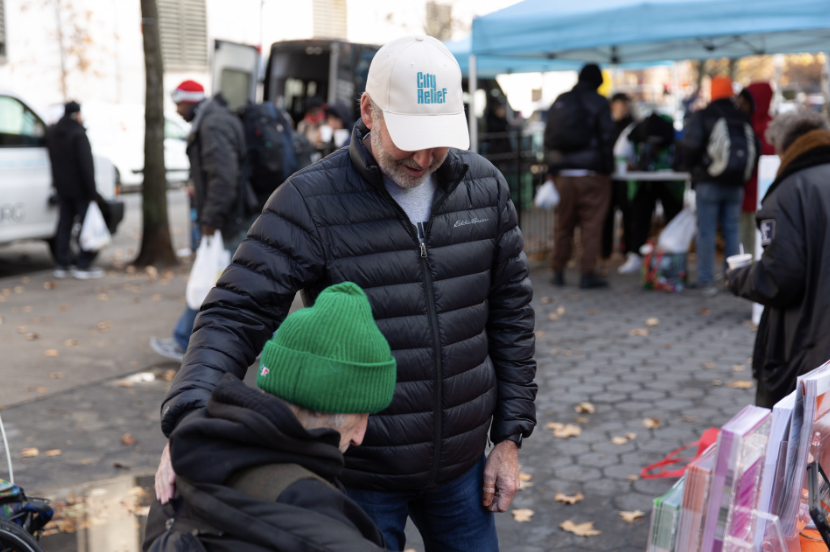
WEEK 1: Why One-Size-Fits-All Fails
Over the years, I’ve noticed something about how we tend to talk about homelessness: We want it to be simple.
We want one solution. One program. One policy. One clear fix that, if implemented well enough, would finally “solve” the problem.
I understand the impulse. Complexity is exhausting. Nuance takes time. And when human suffering is involved, we’re understandably eager for answers that feel decisive and hopeful.
But, like most things on this side of heaven, homelessness is not simple—and pretending it is often does more harm than good.
The Growing Faces of Homelessness
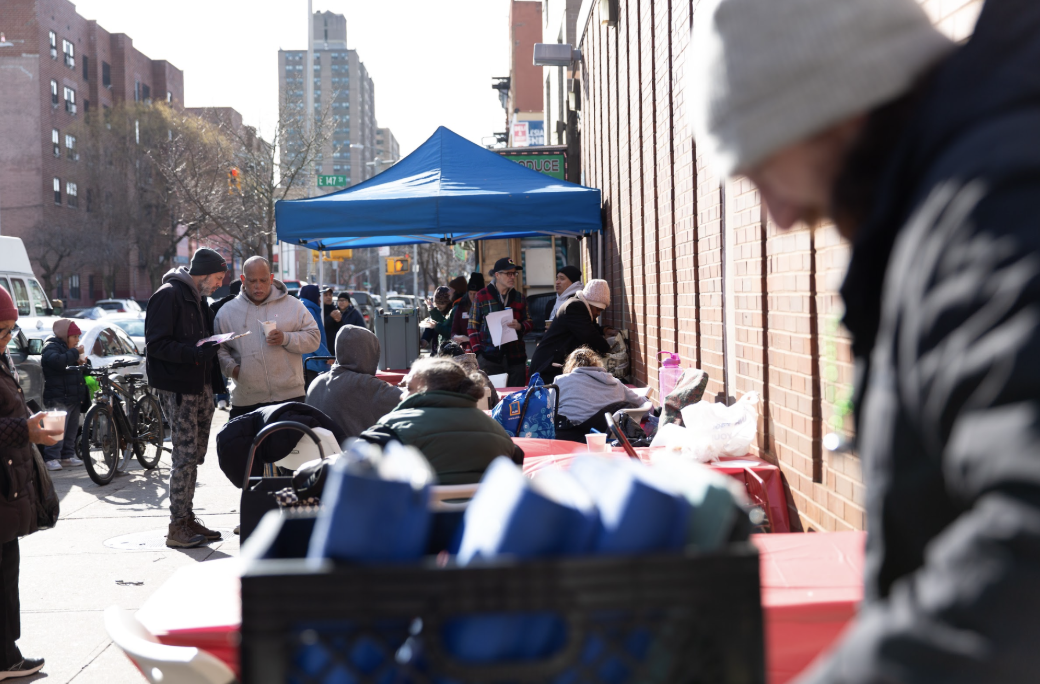
I hope 2026 is beginning with a sense of hope and anticipation for you. A new year always invites reflection—and for us at City Relief, it also brings clarity. After a brief pause between Christmas and New Year’s, our team is back on the streets of Newark, Paterson, and New York City, stepping into what we believe is a pivotal year.
The Power of Not Walking By
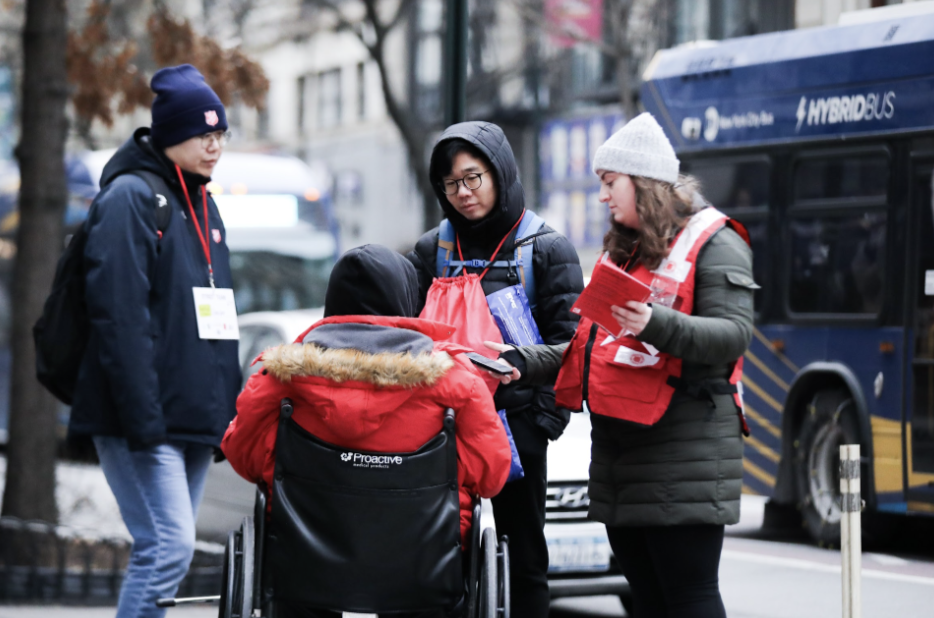
This week, I want to go a step further and talk about how loneliness is interrupted not just by noticing people who are struggling, but by choosing to engage with them.