
She had red hair. She was probably about five foot two. Her clothes always seemed about three sizes too small, and she had a voice you could hear from halfway down the block. I’ll call her J. She always gave me a hard time about something.
I was the new guy at City Relief in 2011. Twenty-five years old—the perfect blend of ignorance and optimism. East Harlem did feel like home in one small way: we parked the Relief Bus in front of an African hair-braiding salon every week. Having spent the bulk of my childhood in Yaounde, Cameroon, that felt familar.
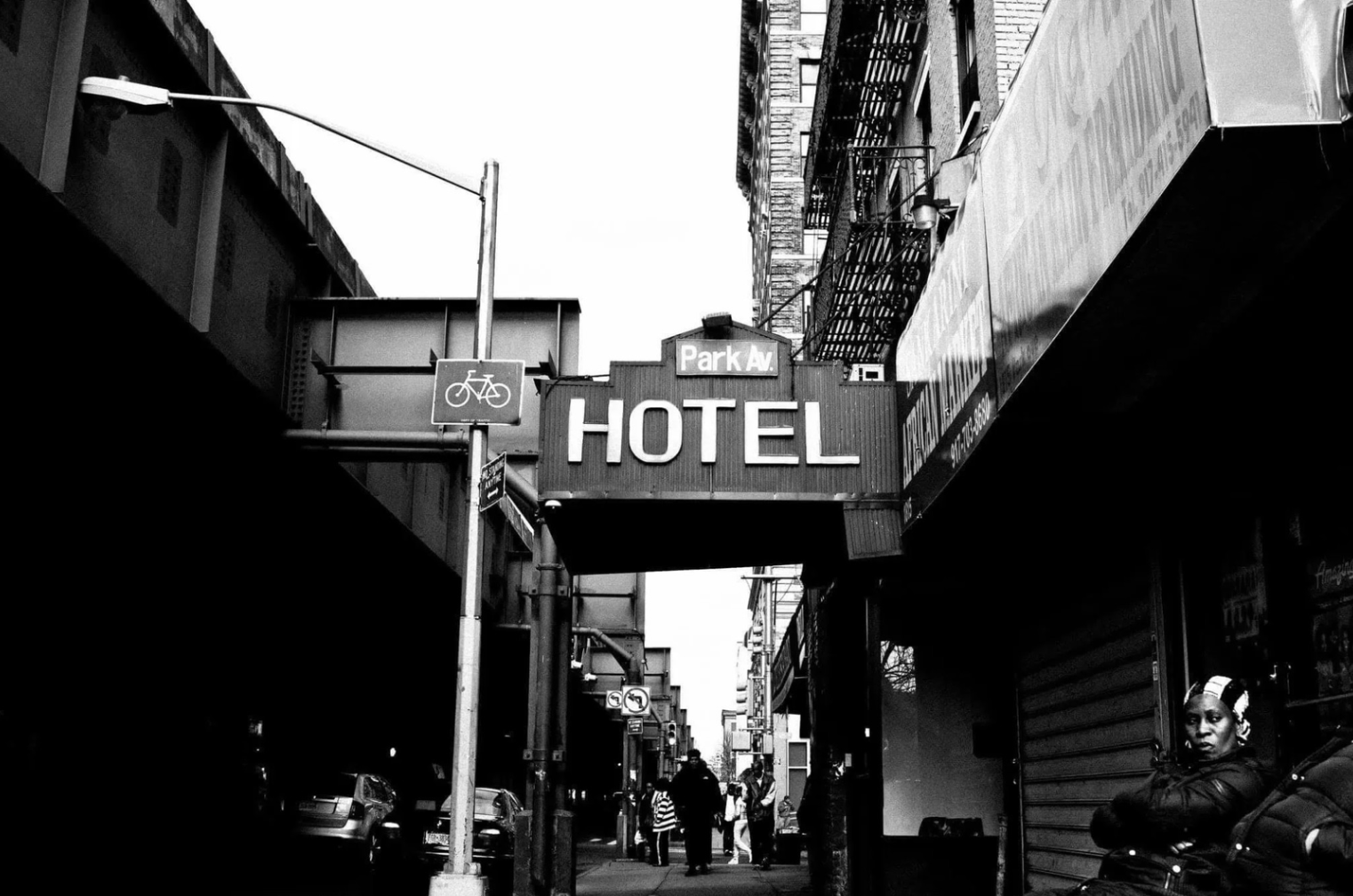
Then there was the Park Avenue Hotel. It rented rooms by the hour, providing a convenient stop for J and other local women who made their money by selling sexual favors to men who could pay with cash or crack.
J was a regular at our outreach, and she took it upon herself to educate me about the neighborhood. On one particular Saturday, two guys started arguing fairly loudly directly in front of the Relief Bus serving window. Their voices rose. Fingers pointed. Threats were made. I had to intervene.
I pushed my way between them and insisted they cool down or take their conversation somewhere else. Neither one seemed particularly interested in what I had to say.
J, on the other hand, had plenty to say, as usual.
“Josiah, you need to leave them alone! They have friends with guns, and you aren’t bulletproof!”
That caught me off guard. In my surprise at her serious tone and the concern in her voice, I almost laughed. I quickly adjusted.
“Okay, J. I hear you. If they won’t listen to me, can you please help me by taking one of these guys out of here?”
Without missing a beat, she walked straight up to one of the men, took his hand in hers, and firmly guided him away from the argument and up the sidewalk toward the Metro-North station.
I can still see it. This little red haired white woman in East Harlem, wearing clothes that were too small, leading this twenty-something gangbanger up the block.
At that moment, J and I became good friends. She would tell the story of how she “saved my life” for years, always with a huge smile on her face. Over time, I learned more about her life. She challenged me and inspired me. She also broke my heart and frustrated me more times than I can remember.
But I believe we cared about each other. And I will never forget how she stepped into a tense situation and put her street cred on the line for my safety.
I showed up expecting to help her. That afternoon, she looked out for me.
It’s hard to know someone from a distance. We can read about someone’s circumstances, watch a video, or form an opinion from a passing encounter. We can feel certain we understand a life we’ve never come close to living.
Walking with someone takes more time. More energy. And more risk. Especially when their life looks very different from ours. It gives them the opportunity to surprise us. To challenge our assumptions. To become someone whose name, voice, and absence we recognize.
I hate to be the one to tell you, but there are only ten Fridays left in 2026! Over those ten weeks, I’m going to share stories from my fifteen years at City Relief. I’m calling this series To Walk a Mile.
I want to introduce you to some of the most beautiful, complex, entertaining, and exasperating people I’ve had the privilege of knowing. People like J, who have shaped how I understand our work—and my own place in it.
My hope is that these stories help you get to know our neighbors a little better. I also hope they inspire you to walk alongside someone in your own life whose experience is different from yours.
If you’re curious about who “the homeless” are, follow along. I’d like you to meet some of my friends. And if you know someone who might enjoy the ride, please forward this email and invite them to subscribe here.
We can’t be all things to all people. But we can be there for one leg of the journey. Thank you for saying yes to the invitation.
With gratitude,
Josiah Haken
City Relief, CEO
