
Bulletin Board
The place where you can stay up to date with the latest events, stories, news, and opportunities for our City Relief community.

A Wide Open Door Can Only Help When You Can Find It
Last week, I wrote about the difference between Disney and the DMV—and why our processes should always exist to serve people, not the other way around.
But there is another question we need to ask: What about the people who never make it through our doors in the first place?
We can create the most welcoming church, compassionate nonprofit, or accessible social-service program imaginable. We can improve our signs, simplify our paperwork, train our volunteers, and fill our buildings with people who genuinely care.
All of that matters.
What If We Need The Poor More Than The Poor Need Us?
For years, I assumed my role was simple. I had something to offer. People experiencing poverty had needs, and my job was to help.
Then one afternoon in the South Bronx, everything changed.
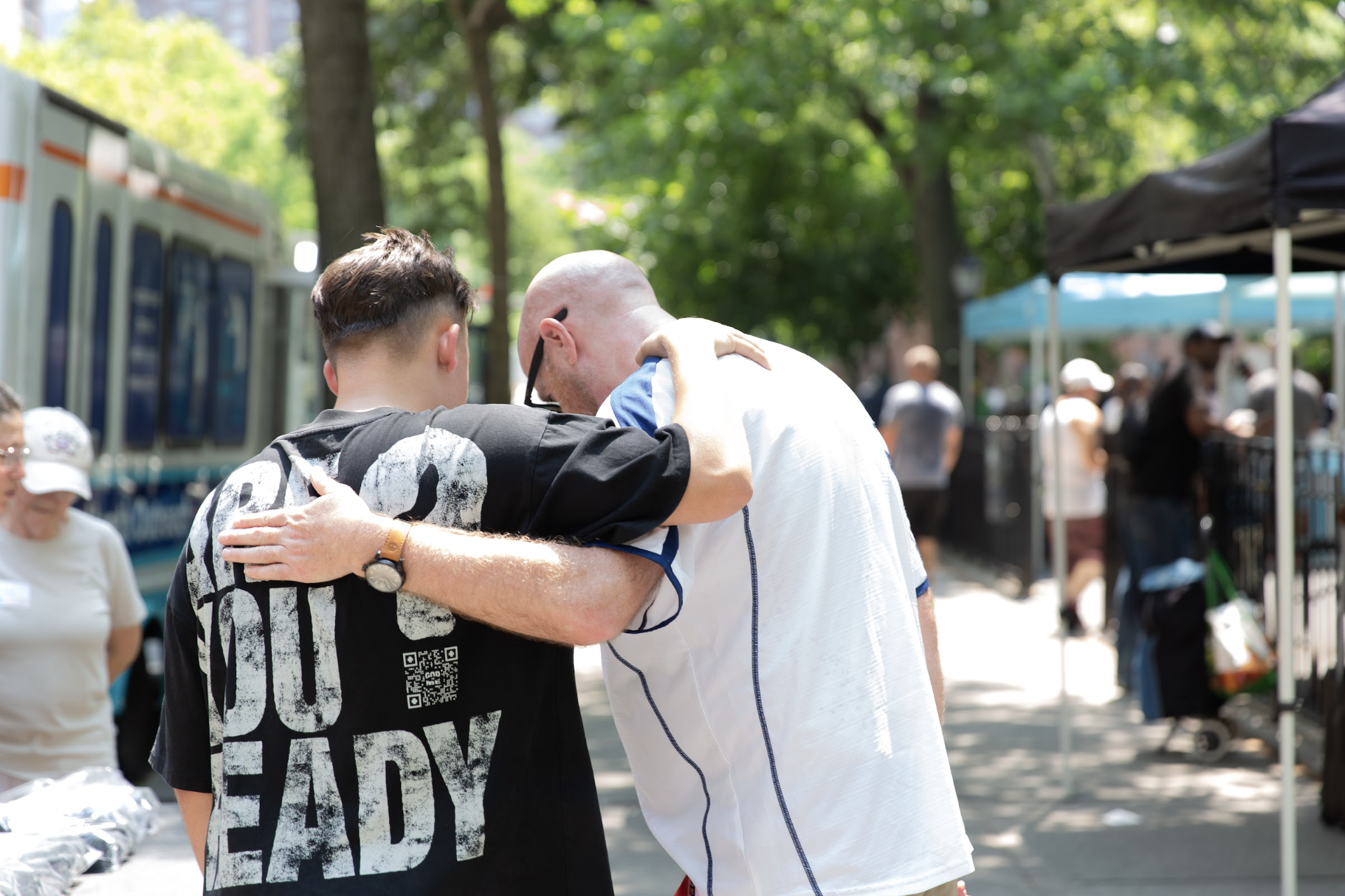
I met a man sitting alone on a street corner. He was an older African American gentleman with a gray beard and a scar that permanently closed one eye. I offered to bring him a bowl of our famous City Relief soup. He politely declined. I offered him a hot chocolate. Again, he said no.
Running out of ideas, I asked, “Would you like me to pray for you?”
He smiled and replied, “No thanks… but I’d like to pray for you.”
Why We Hide Homelessness When the Circus Comes to Town (or the World Cup)
If you are anything like me, you probably got swept up in the excitement of the World Cup over the last six weeks. You may or may not know that I grew up in the West African country of Cameroon, where football—or, as Americans call it, “soccer”—is basically a religion.
I’ll never forget the collective citywide groans and cheers I witnessed as a kid whenever the Cameroon national team scored a goal (or almost scored a goal), or when a referee made a questionable call on the pitch—or “field.”
4,991 is Just The Tip of the Iceberg
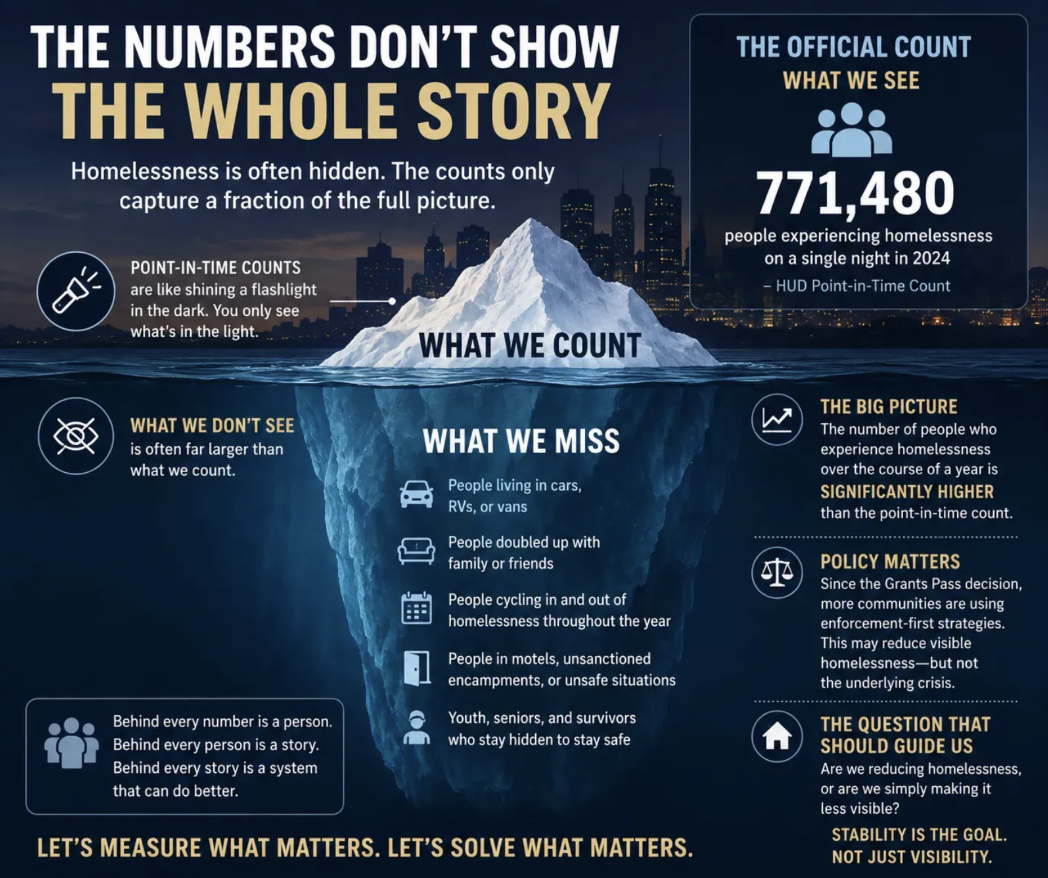
4,991. That’s the number of people counted sleeping on the streets of New York City on the night of March 10, 2026—the highest HOPE Count since the survey began.
If you’ve been reading these newsletters, you know I often describe homelessness as an iceberg. The people counted in the HOPE survey represent only the visible tip. These are our neighbors who, for any number of reasons, cannot remain in traditional dorm-style shelters. Many are living with serious mental illness, substance use disorder, or both. But they didn’t simply appear on the streets overnight. Most have spent years trying to survive while navigating a maze of fragmented services, outreach programs, hospitals, and interactions with law enforcement.
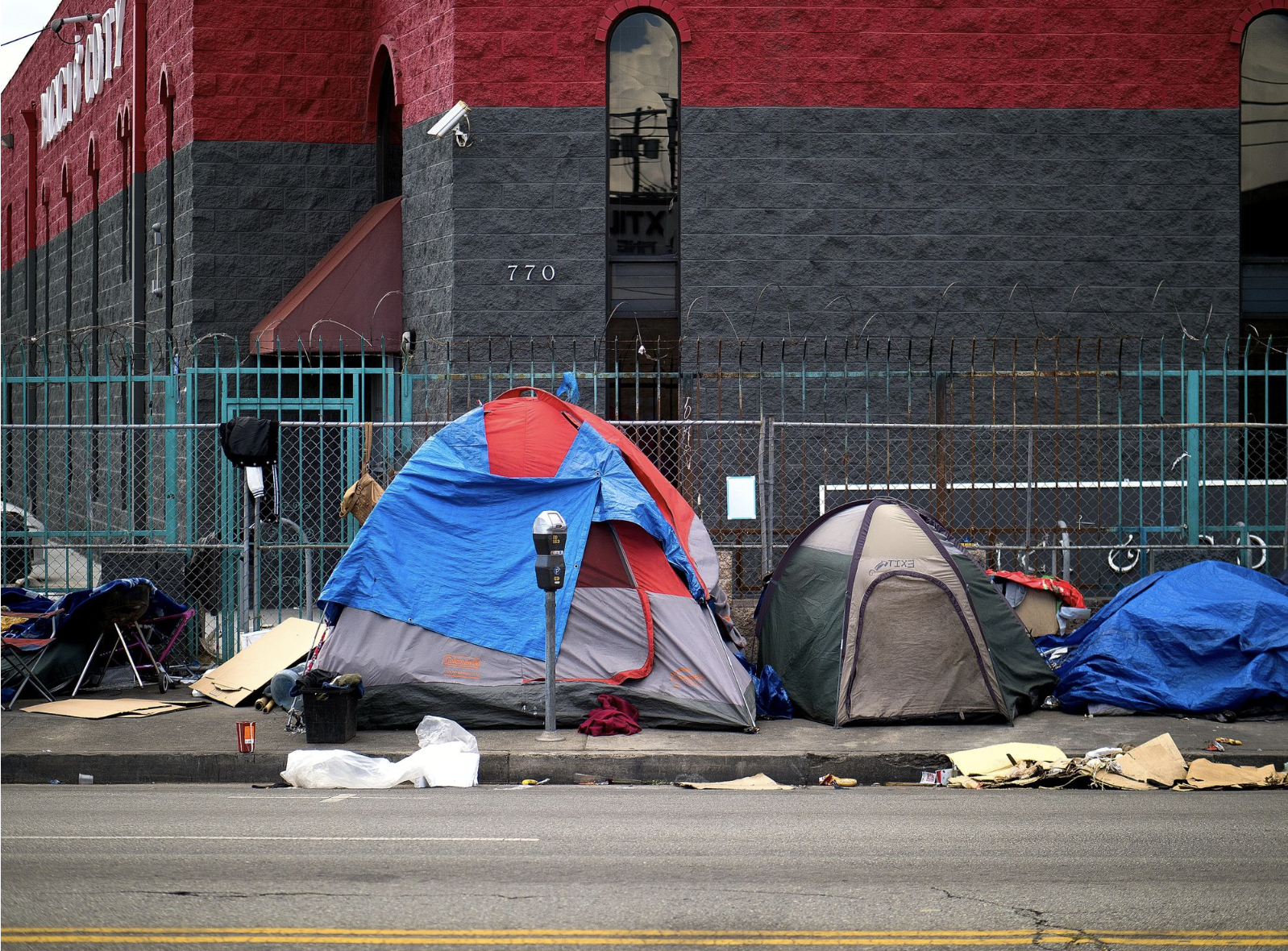
Why "Service Resistant" Doesn't Tell The Whole Story | Veteran Homelessness Week 5
Over the last few weeks, we've explored some of the barriers veterans face when trying to access housing and support. We've talked about documentation, complex systems, instability, and trauma. Last week, we paused to reflect on Juneteenth. This week, I want to return to a topic that intersects with both veteran homelessness and homelessness more broadly: trauma.
In the homelessness services world, the phrase "service resistant" gets used frequently. It's typically used to describe someone who declines help, misses appointments, avoids case managers, or disengages from services. Sometimes the label fits. But after fifteen years of outreach, I've become increasingly skeptical of how often it's used. Because what we often interpret as unwillingness may actually be inability.
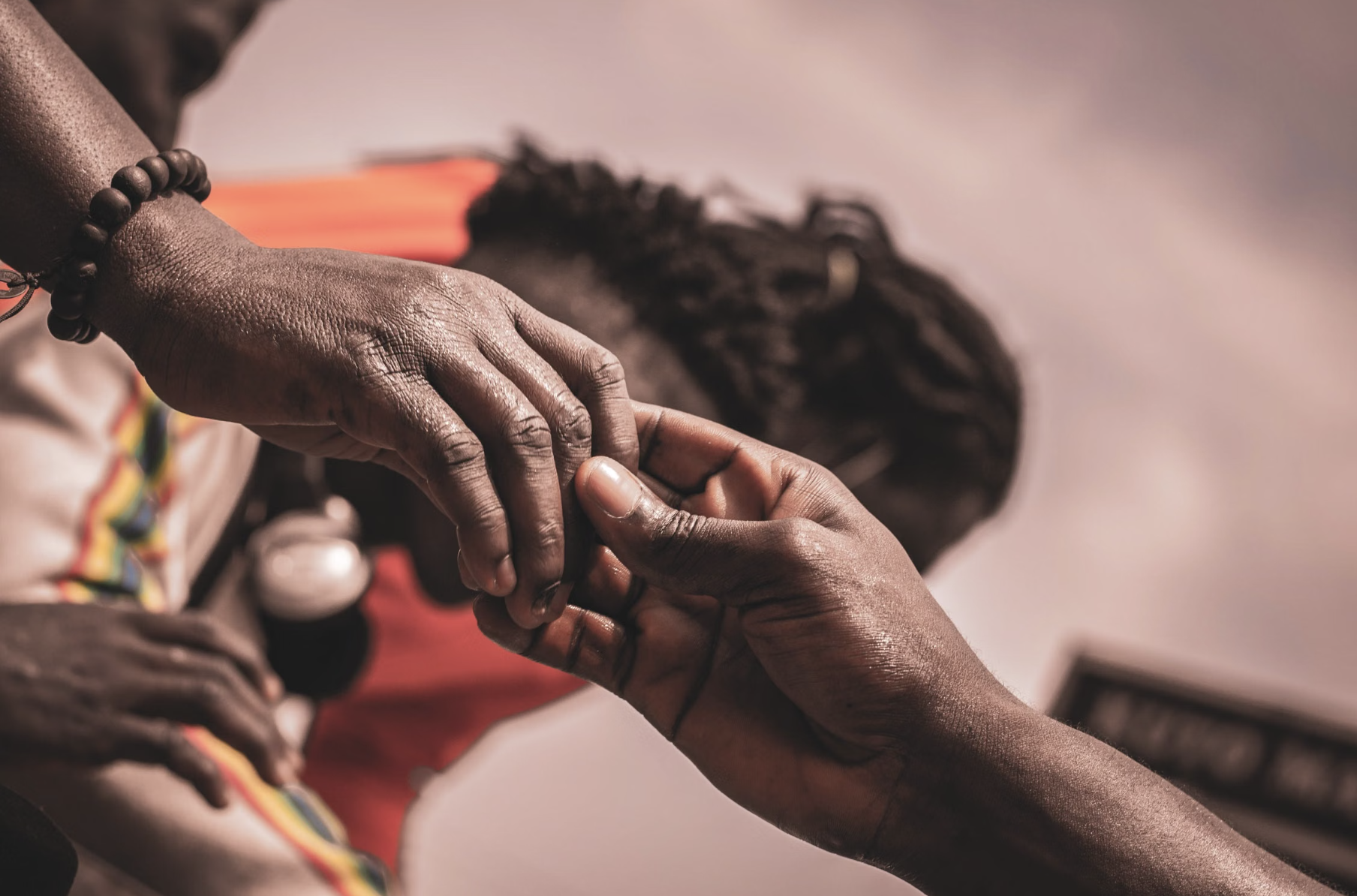
The Intersection of Juneteenth, Veterans and Homelessness | Veteran Homelessness Week 4
Honestly, I didn’t learn about Juneteenth until I was an adult. Like many Americans, I made it through years of school without fully understanding why June 19th holds such deep significance for so many of my Black brothers and sisters.
Juneteenth commemorates June 19, 1865, when Union troops arrived in Galveston, Texas, and announced that enslaved people were free, more than two years after President Abraham Lincoln signed the Emancipation Proclamation.
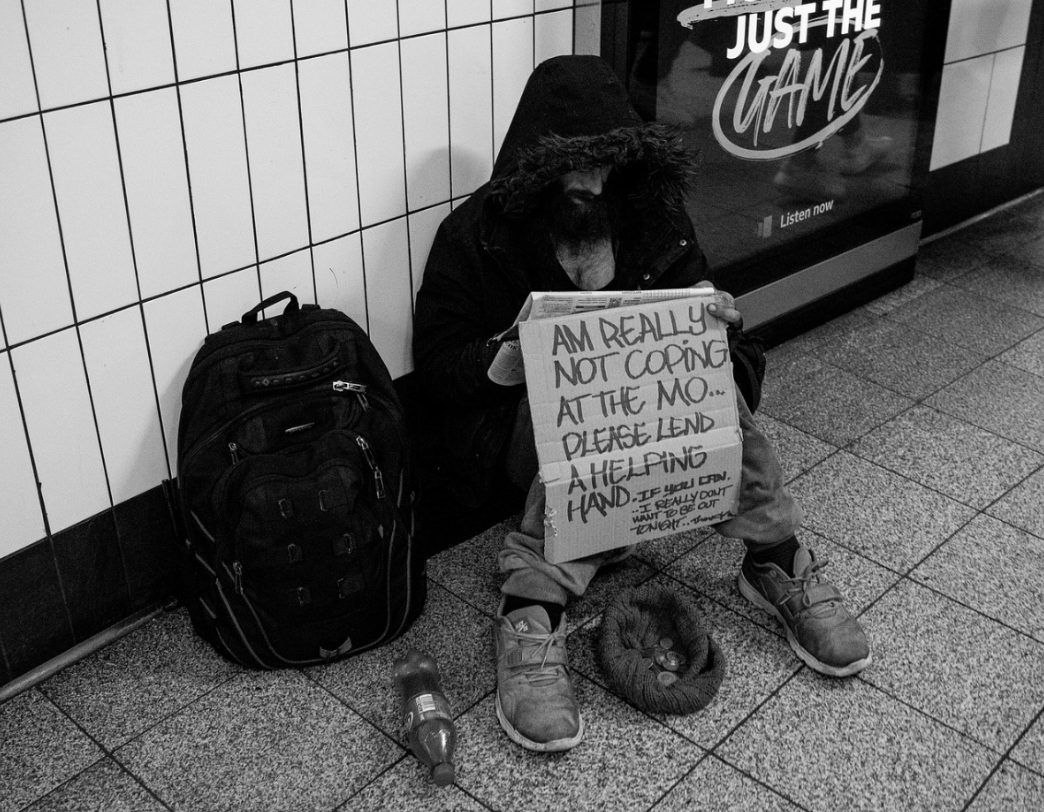
Trauma is A Part Of The Story | Veteran Homelessness Week 3
Over the last two weeks, we've explored barriers veterans face when accessing housing, healthcare, and other support. We've discussed missing documentation, complex systems, and the difficulty of navigating resources while in crisis.
This week, I want to explore something less visible: trauma.
Before we go further, it's worth acknowledging that the word trauma is used frequently these days. Sometimes it accurately describes genuinely life-altering experiences. Other times it's used more casually for situations that were uncomfortable, frustrating, or disappointing.
As a result, many people have grown skeptical of the term. The more broadly it's applied, the harder it can be to recognize and respond to trauma when it's truly present.
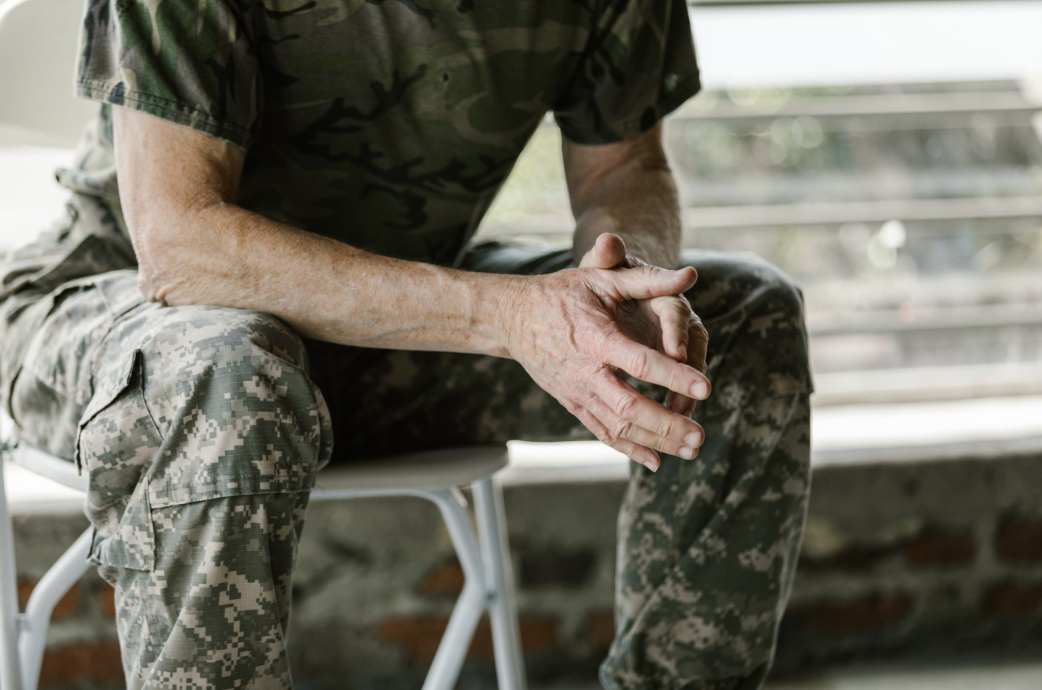
Veteran Homelessness And The Three Barriers That Fuel It | Week 2
Last week, I wrote about the progress our country has made in reducing veteran homelessness. Since 2010, veteran homelessness has been cut by more than half nationwide!
That's remarkable progress.
But it also raises an important question: If housing programs, healthcare benefits, disability assistance, and other resources exist specifically for veterans, why do thousands of veterans still experience homelessness every night?
After fifteen years of street outreach, I've learned that the challenge is often not the absence of help. It's access. At City Relief, we regularly meet veterans who qualify for support but struggle to obtain it. While every story is different, three barriers come up again and again.
How Does Someone Serve Their Country and Still End Up Homeless? Week 1
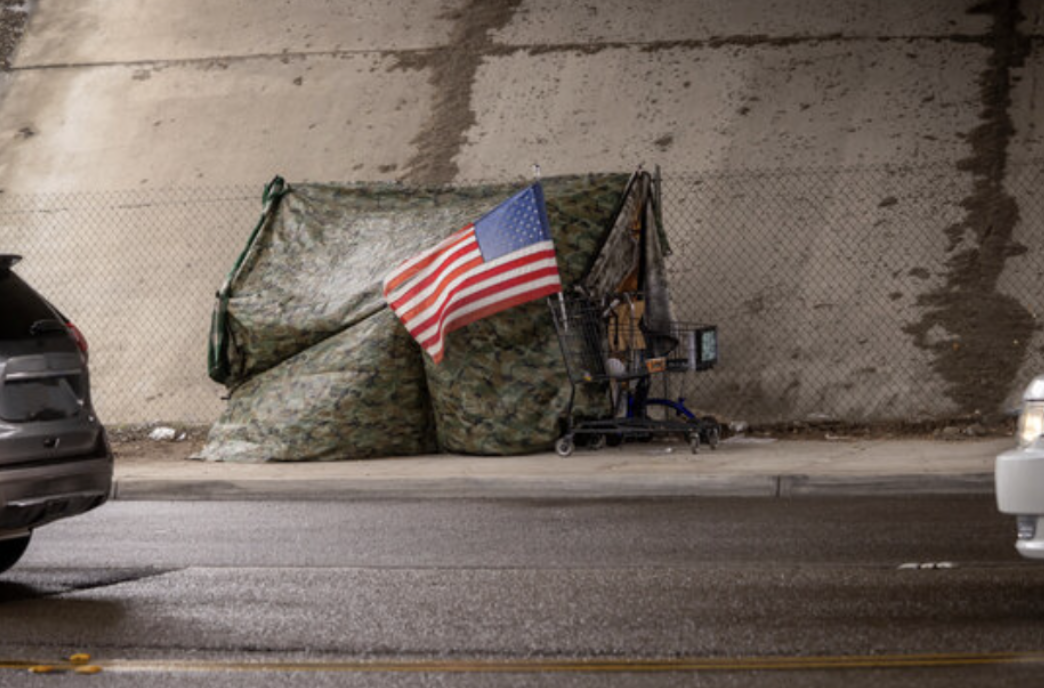
A few years ago, I was sitting on a sidewalk in New York City talking with a man who had served in the military. As we spoke, he told me about his years of service, the places he had been stationed, and some of the challenges he faced after returning home. He wasn’t looking for sympathy. He wasn’t angry. In many ways, he was simply trying to survive another day.
What struck me most wasn’t his story. It was the question his story raised. How does someone serve their country and still end up homeless?
Over the next few weeks, I want to explore that question.
Shelter Isn't Housing - Here's Why That Matters | Our Efforts Week 5
Last week, I introduced you to James. A man who, on paper, qualified for help, but in reality, couldn’t access it. Not because he didn’t want it. Not because help didn’t exist. But because the system required something he didn’t have: stability.
And that’s exactly why approaches like Housing First were created. Because for someone like James, asking him to get stable before giving him housing is like asking him to solve the problem without the very thing that makes a solution possible.
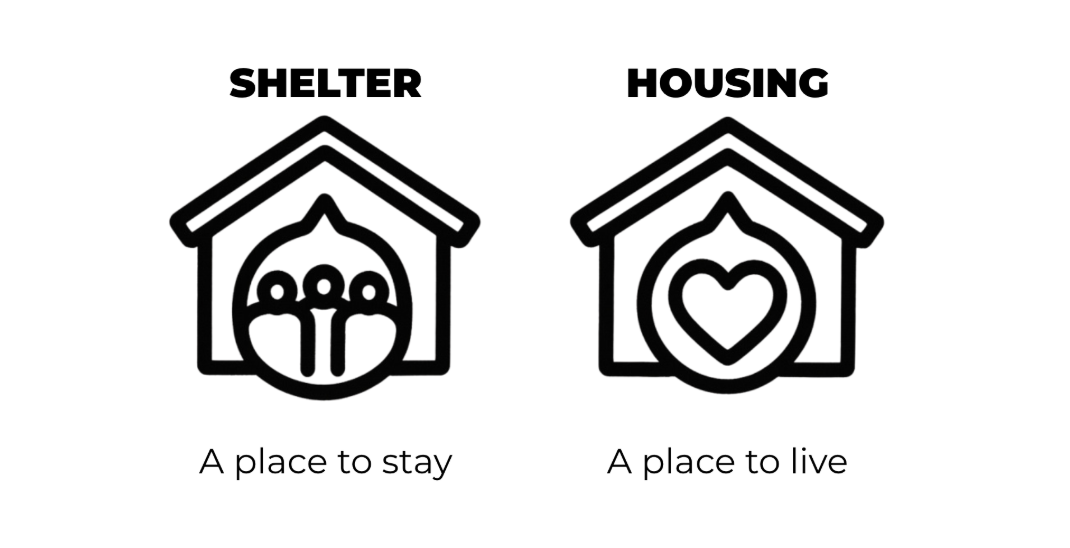
But to really understand why that matters and why the conversation around homelessness can feel so confusing, we need to get clear on something foundational:The difference between shelter and housing.

Housing First, Not Housing Only - Our Efforts Week 4
So even though help technically existed, it remained out of reach. That gap between eligibility and accessibility is where people like James get stuck. Which brings us to one of the most talked-about approaches to homelessness: Housing First.
Housing First began in the early 1990s through the work of Sam Tsemberis in New York City. At the time, most programs required people to prove they were “housing ready” before being given access to permanent housing.
Housing First flipped that.
One Size Does Not Fit All - Our Efforts Week 3
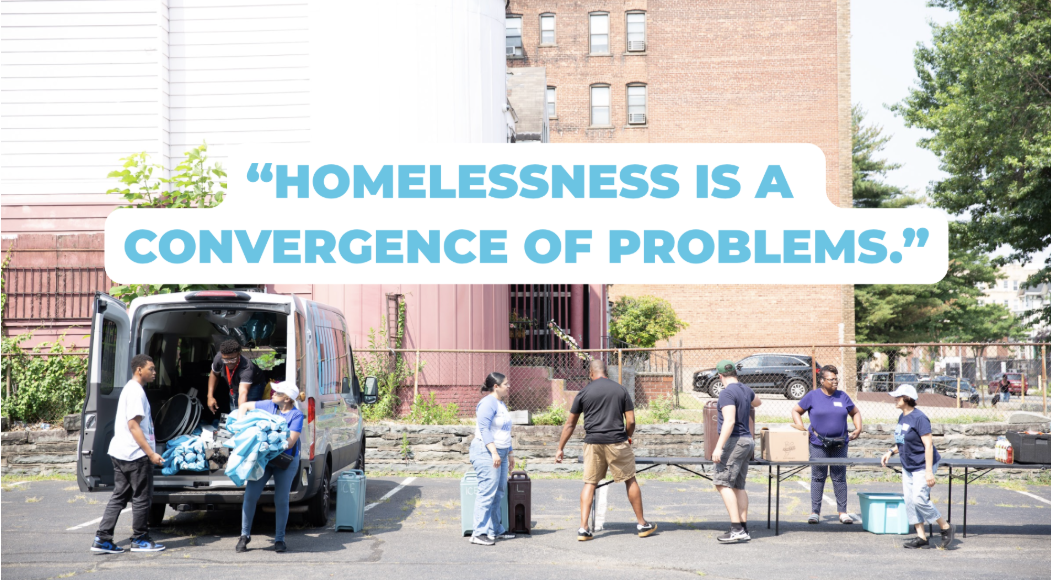
One of the things that makes our work at City Relief so difficult to quantify is that no two experiences of homelessness are the same. I often remind people in training sessions that every person we meet brings a different story, and that story shapes what stability actually looks like for them.
The path forward for a man in his forties whose marriage fell apart isn’t the same as it is for a senior trying to survive while the cost of living keeps rising faster than their fixed income can handle. And it certainly isn’t the same for a young person who just aged out of the foster care system with nowhere stable to land, as it is for a woman fleeing a domestic violence situation with little more than the clothes on her back.
How a Story About Starfish Tells the Tale of Homelessness. Our Efforts Week 2
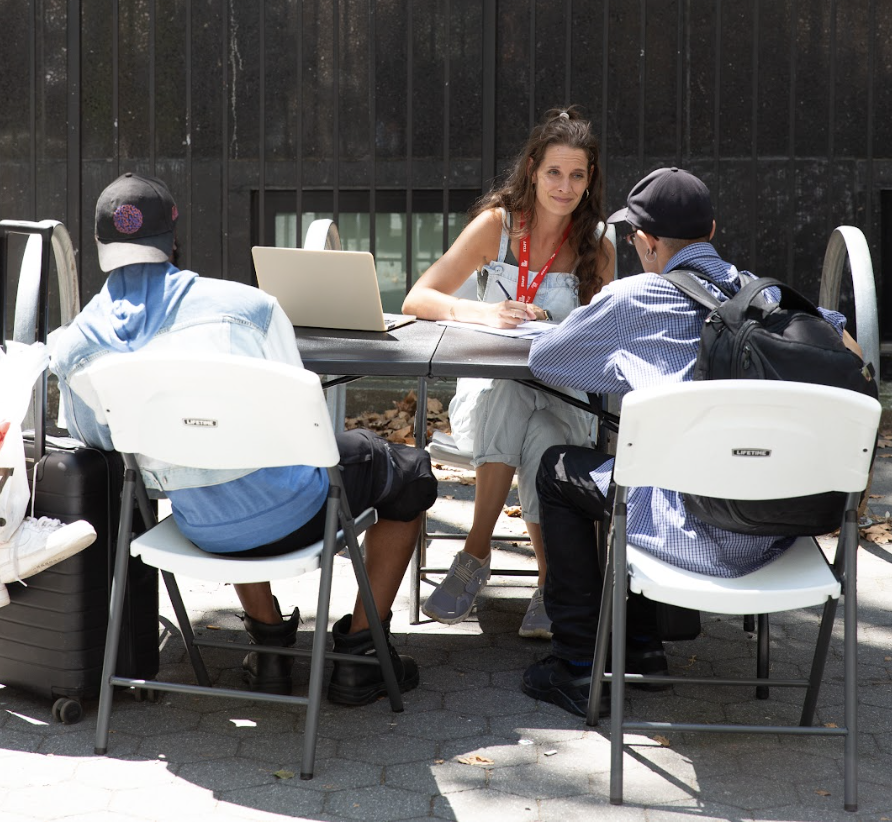
A few weeks ago, I was having breakfast with a longtime donor, and we found ourselves circling a familiar frustration: it feels like all the money New York City is spending on homelessness isn’t actually making a dent.
I get why it feels that way. A recent Washington Post headline said it plainly: Spending More Money on Homelessness Isn’t Helping. In March of 2025, City Relief was pushed out of our weekly outreach location on 14th Street in Manhattan. A local developer threatened our partner with a cease-and-desist, arguing that our two-hour pop-up was attracting more people experiencing homelessness than it was helping transition into stability.
Why Our Efforts to Solve Homelessness Are Falling Short (Week 1)
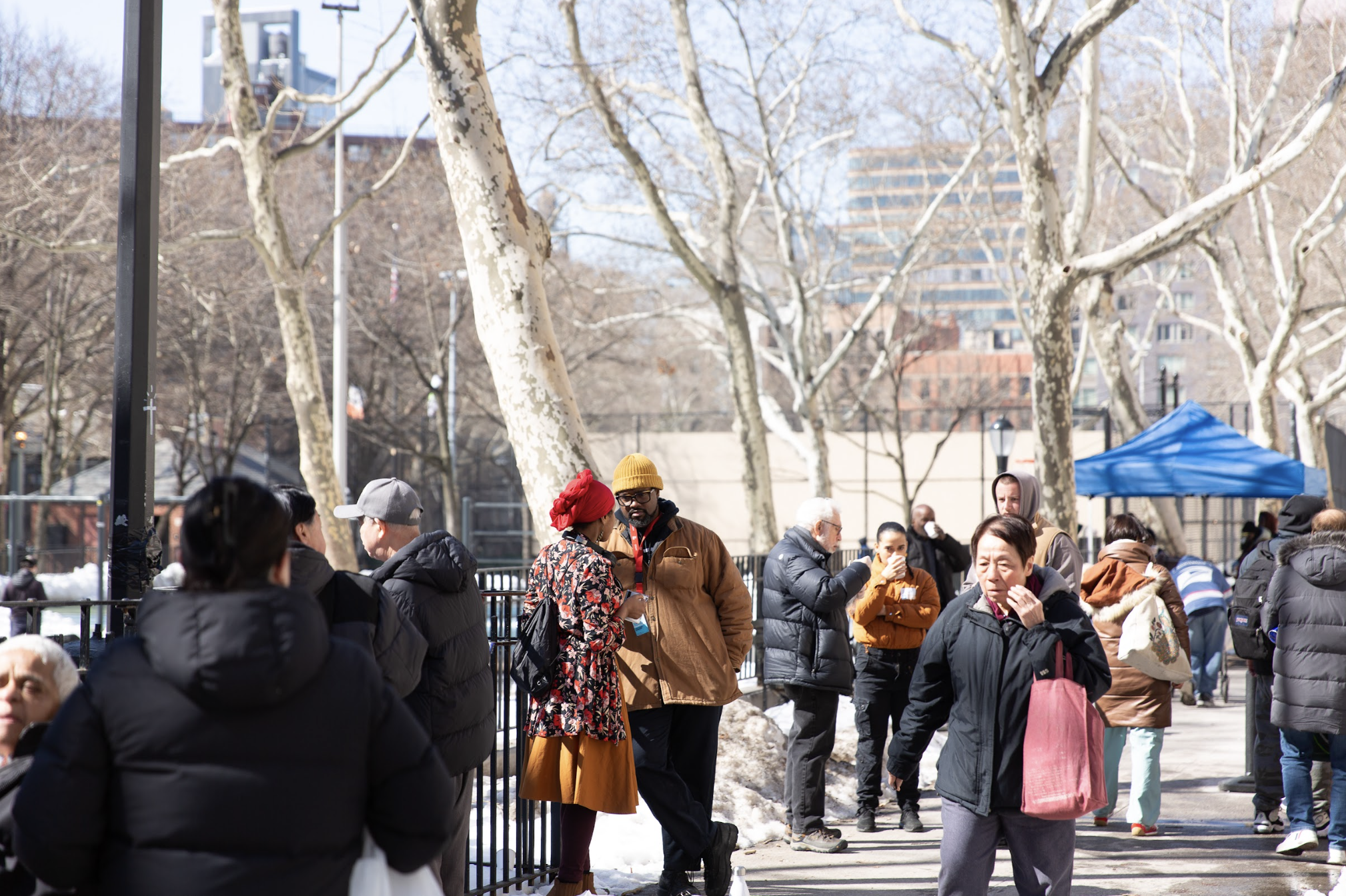
I met a woman last week at our Chelsea Park outreach. I’ll call her “K.”
K is articulate, soft-spoken, and in her forties. She’s the kind of person you could stand next to in church, sit beside on the subway, or pass in line at Starbucks and you wouldn’t think twice. She doesn’t panhandle, use drugs, or experience mental illness (at least not from what I could tell).
She graduated high school and took some college classes. She’s thoughtful, aware, and doing her best to navigate a system that often feels impossible to understand. And yet, K is experiencing homelessness. She’s currently living in a shelter, trying to survive on about $200 a month in SNAP benefits and $22 a month in cash assistance.
The power of giving yourself for the sake of someone else
We live in a culture that celebrates self-sufficiency. Figure it out. Handle your own problems. Don’t ask for help. It sounds like strength. It even feels right sometimes. But on the streets, that idea doesn’t last very long.
One Friday in Harlem, I was helping someone with a referral when a fight broke out right next to me. One man accused another of talking to the police. Within seconds, it escalated—shouting, then a punch, then chaos. And I froze. Clipboard in hand. Blood on the page. I didn’t step in. I didn’t know how. But someone else did.
Lessons from Kilimanjaro (Week 4) - No One Summits Alone
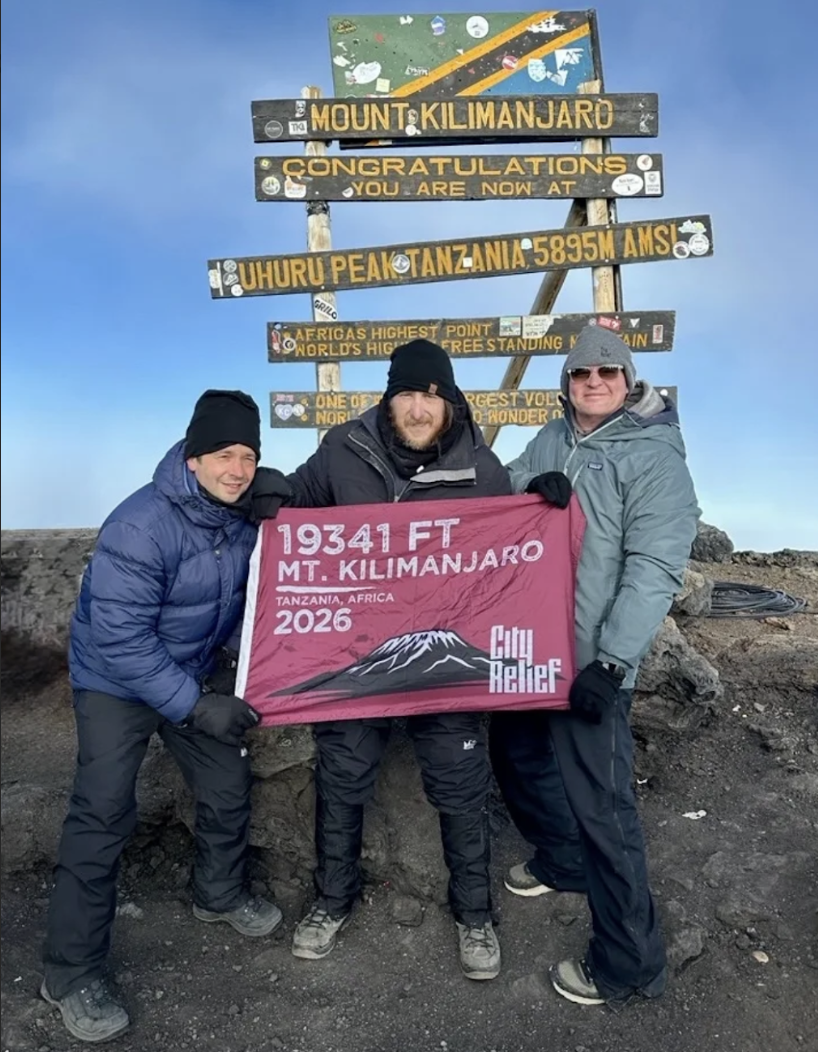
The longest day of the climb started at 5:00 a.m. By God’s grace (and the power of modern medicine), I woke up feeling much better than the night before. I still didn’t know if I’d attempt the summit, but I knew my only way down… was up.
The plan sounded simple on paper: climb the rock wall above camp, follow the ridge for hours, descend into a ravine, climb back out, grab a quick lunch, and push to base camp. From there, we’d rest briefly before a midnight summit attempt.
When I stepped out of my tent, the wall loomed above us looking dark, steep, and unforgiving. Derrick, one of our guides, looked at me and said something that felt less like advice and more like a promise, “You stay with me.”
WEEK 7: Disability Discrimination & the Systematic Exclusion of People Who Are Different
I had planned to land the plane on this series about the complexity of homelessness—why the tidy stories we tell ourselves are incomplete and, often, harmful. But last week, I only brushed up against a reality that deserves far more attention: the intersection of disability discrimination and homelessness, and the quiet ways people are excluded from support long before they ever fall into crisis.
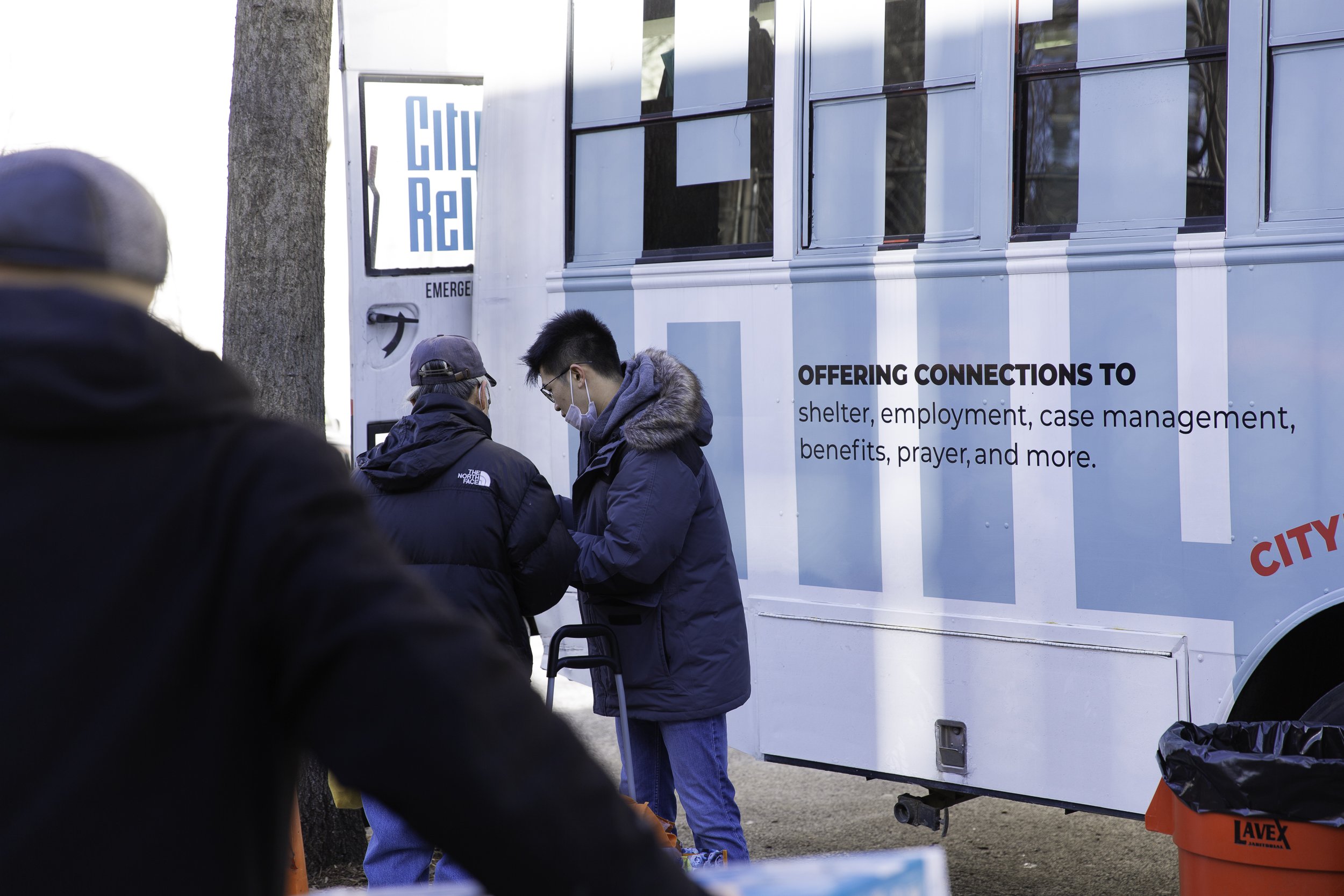
Why listening matters…
As an advocate for homelessness, I wanted to share a powerful story that I recently came across in the New York Times. The article, written by Tracy Kidder, is about a doctor named Jim O'Connell, who has dedicated his life to caring for the homeless population in Boston. What makes his approach unique is his commitment to listening to the stories of the people he serves.