
The Absence of Protection
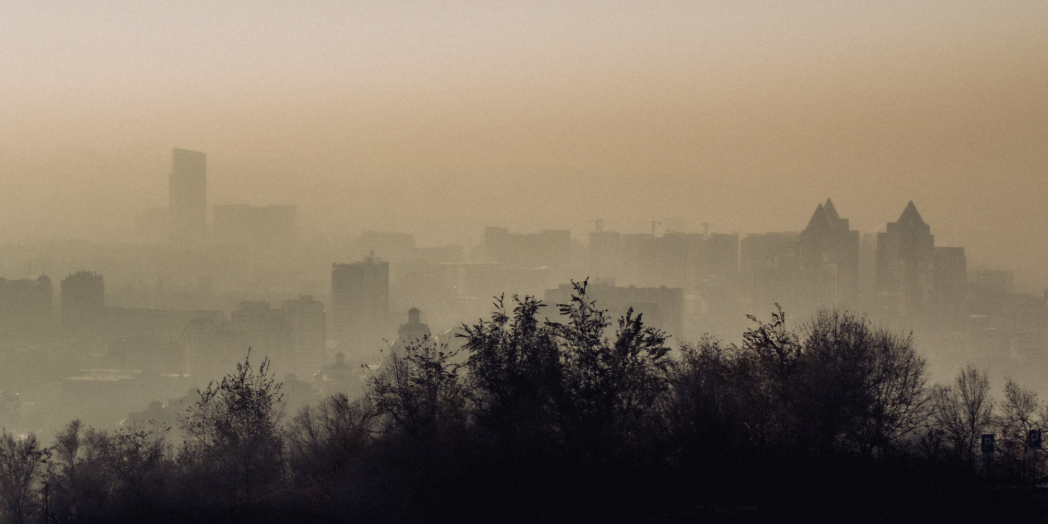
I stepped outside the other day to take my dog for a walk, and the smell of smoke hit me immediately. The sky had an eerie orange tint. For a brief moment, I wondered if I’d somehow wandered into The Book of Eli—a post-apocalyptic world where water was more valuable than gold. Then I remembered the Canadian wildfires.
If you don’t live in the Northeast, you may not realize this happens from time to time. Smoke from wildfires in Canada can hitch a ride on the jet stream and drift hundreds of miles south, blanketing the New York City region in haze. While the science behind it is fascinating, what struck me wasn’t the weather. It was how differently these events affect the people we serve, many of whom are already at greater risk because of prolonged exposure, chronic health conditions, and the simple reality of living outside.
I once read that one of the greatest privileges of being privileged is not realizing you’re privileged. Being able to go through my day without thinking about the air until I stepped outside with my dog probably qualifies.
One of the greatest privileges many of us take for granted is the privilege of protection. Protection from crime by living in safer neighborhoods. Protection from illness through access to healthcare, clean water, and air conditioning. Protection during emergencies because we have a place to go when conditions become dangerous.
Our unhoused neighbors don’t have those same protections.
This week, our team has been closely monitoring the Air Quality Index (AQI) because it directly affects how we care for both our guests and our staff. As the AQI rises, so do the health risks—especially for people with asthma, COPD, heart disease, or other respiratory conditions. For most of us, poor air quality means staying inside and waiting for the smoke to pass.
For someone living on the streets, there often isn’t an “inside.”
That’s why, when the AQI reaches hazardous levels, we have to make outreach optional for our staff and volunteers. We faced similar decisions during the early days of COVID. Our guests couldn’t simply stay home, but we also had a responsibility to care for the people serving alongside us. So we adapted. We changed how we served, reduced unnecessary risks, and kept showing up however we responsibly could.
Homelessness is about far more than the absence of housing. It’s the absence of protection.
It reminds me of something I wrote in Neighbors With No Doors: “Homelessness is an ocean where all rivers and streams of injustice pool when left unchecked and undeterred.” Environmental hazards are just one more river flowing into that ocean.
We can’t stop wildfires. We can’t control the weather. But we can continue showing up with food, water, hygiene supplies, medical care, housing connections, legal support, and the reminder that every person is seen, valued, and loved by God.
Would you pray for our guests, our staff, and our volunteers as we navigate these challenging conditions? I genuinely believe our concerns matter to God, and I also believe He invites us to join Him in building a world that more closely reflects His Kingdom—a world with no poverty, homelessness, or violence.
Thank you for standing with us.
With Gratitude,
Josiah Haken
City Relief, CEO
