
Childhood Without a Home, Part 3: The Child Behind the Cardboard Sign
Every so often, I have the privilege of speaking at one of the churches that partners with City Relief. When I’m especially lucky, the pastor and a few members of the congregation buy me lunch afterward.
Not long ago, I spoke at Scarsdale Community Baptist Church in Scarsdale, New York. A few members of the church invited me to join them for lunch nearby, including a woman who teaches in the Bronx.
Through tears, she described what she sees in her classroom every single day: children living in shelters, sleeping in hotels, or doubled up with family members, sometimes on blankets on the floor. Students wearing dirty clothes because they have nowhere to do laundry. Kids struggling to stay awake because they can't sleep at night amid the chaos and noise around them. Children who eat at school, or don’t eat at all.
She also described the way her church community has rallied around her. They organize clothing drives, provide snacks and toys, and help her meet needs that extend far beyond reading, writing, and arithmetic.
I did my best to encourage her. I told her that she is a lifeline for children who might otherwise be dismissed as disruptive, defiant, or difficult. Every day, she offers love and stability to kids growing up in a world defined by survival.
And she is far from alone.
During the 2024–2025 school year, more than 17% of public-school students in the Bronx experienced homelessness, which is more than one out of every six students. Among New York City students living in shelters, 63% were chronically absent, meaning they missed at least one out of every ten school days.
When a child is worried about where they will sleep, whether they will eat, or how they will get to school the next morning, learning becomes one more burden they are expected to carry.
At City Relief, we encounter more parents than children. In some cases, they are under investigation for neglect by child protective services. Some have lost parental rights while struggling with addiction or untreated mental illness. Others are simply unable to provide a reliable roof over their children’s heads in one of the most expensive cities in the country.
I get that it’s easy to judge these parents. It's easy to ask why they had children they weren’t equipped to support in the first place, or why they continue to make decisions that cause so much harm.
But I believe I’ve been doing this work long enough to know that it’s almost never that simple. The parents we meet at our outreaches and the children this compassionate teacher serves are often the same people, just a few years apart.
A nationally representative study published in 2024 found that people who experienced homelessness during childhood were 46.9 times more likely than others to experience homelessness as adults.
That does not mean childhood homelessness determines someone’s future. Plenty of children overcome extraordinary circumstances. But childhood poverty, housing instability, hunger, and trauma can profoundly shape a person’s physical health, mental health, education, relationships, and ability to build a stable life.
The child who is exhausted and acting out in a classroom today may become the adult struggling with addiction, mental illness, or homelessness tomorrow, especially if no one interrupts the cycle.
Over the years, I have spoken with donors who told me they preferred to support organizations serving children because children are innocent victims of circumstances beyond their control. Adults experiencing homelessness, they believed, were responsible for their own poor decisions.
Let me be clear: I don't want anyone to support City Relief if our work doesn’t align with their calling or priorities. But I do want us to reconsider the line we draw between the “innocent child” and the “responsible adult.”
The adults we meet on the street are often playing the cards they were dealt as well as they know how, and many of them were dealt an unbelievably difficult hand. Personal responsibility matters, but so do trauma, opportunity, education, relationships, and whether anyone stepped in when they were still young enough to be seen as worthy of compassion.
The cycle has to be interrupted.
If you know a public-school teacher, ask what they are seeing. Ask how you, your church, or your community can support them. A clothing drive, a supply closet, a collection of snacks, or simply having someone who listens can make a meaningful difference.
And the next time you see someone rummaging through a trash can or standing at an intersection with a cardboard sign, pause for a moment. Look past the beard, the dirty clothes, the addiction, or the behavior you don’t understand.
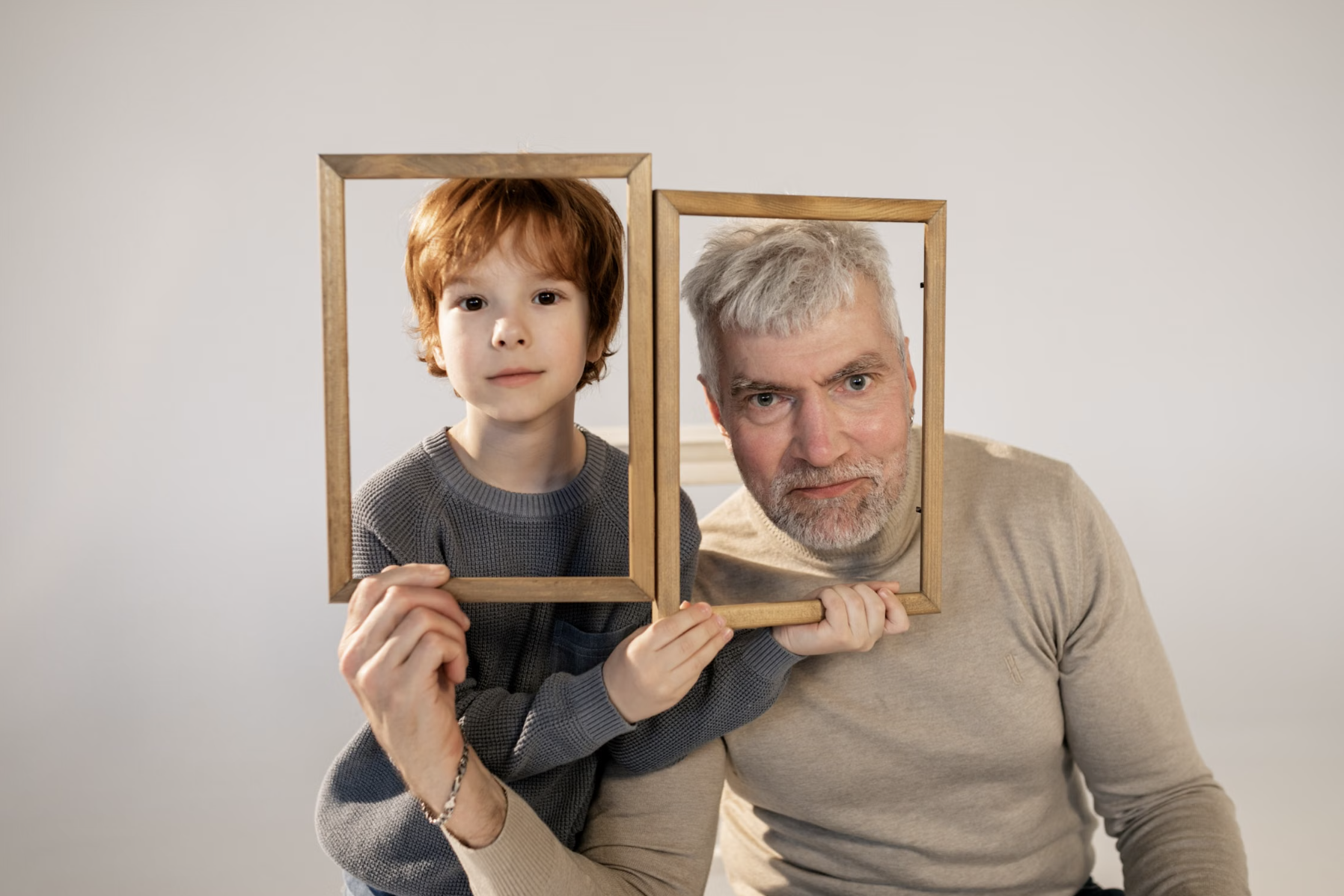
Imagine him as an eight-year-old boy trying to stay awake at his desk after another sleepless night. Imagine him growing up surrounded by food insecurity, housing instability, and trauma. Imagine how differently his story might have unfolded if someone had recognized what he was carrying, and stepped in before he fell through the cracks.
The child and the adult are not two different people.
If we want to end homelessness, we must learn to see—and care for—the person at every stage of the story.
With gratitude,
Josiah Haken
City Relief, CEO
