
Childhood Without a Home, Part 4: The Cost of Waiting
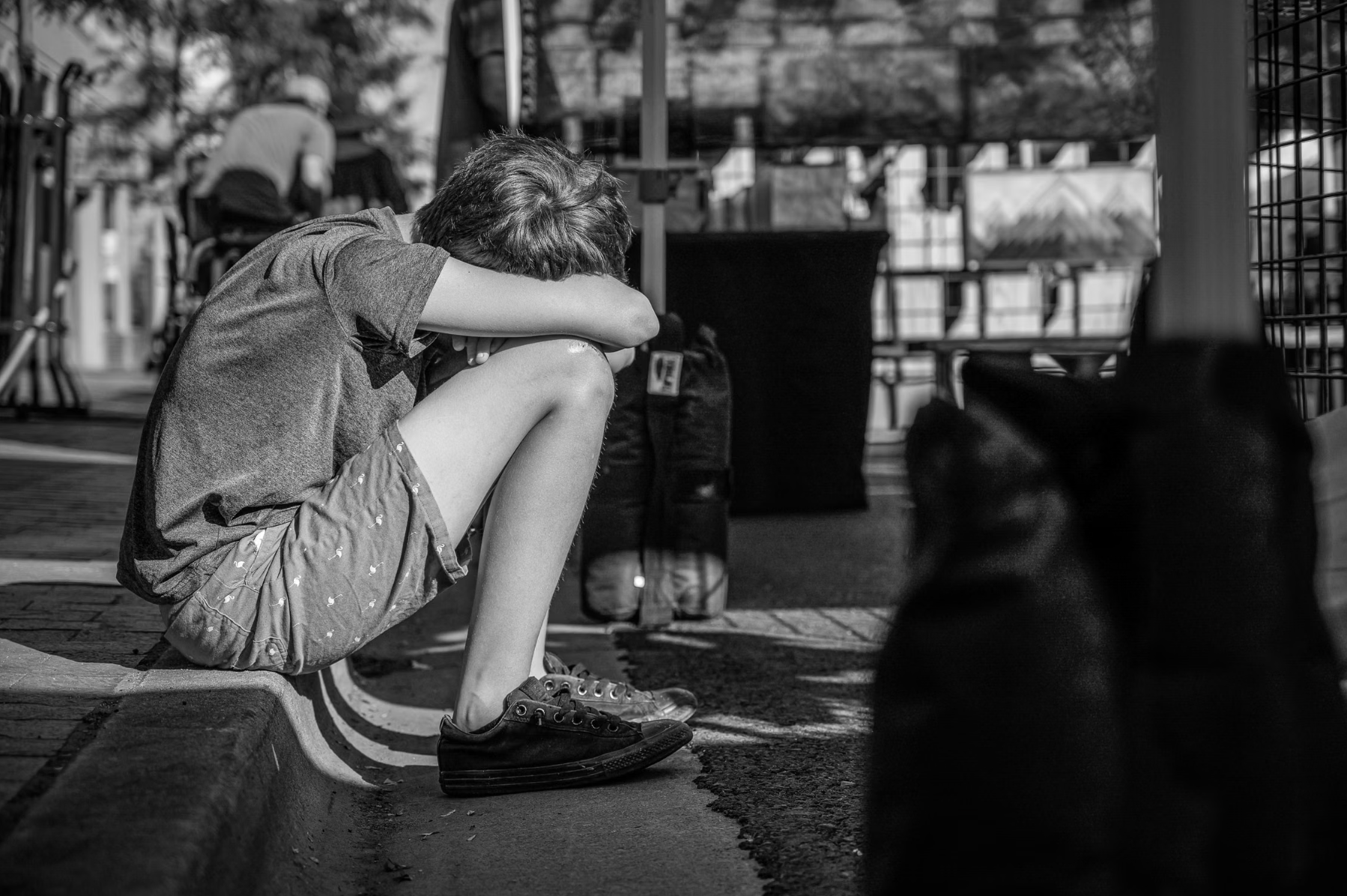
We’re spending more money on homelessness. So why are more people still losing their homes?
It’s a fair question. New York City’s budget for homeless services went from roughly $2.1 billion (with a “b”) in fiscal year 2020 to more than $3.1 billion in 2025—a nearly 50 percent increase. I’m all for investing in services that help our neighbors get back on their feet. But when spending and homelessness both keep rising, I understand why people wonder whether any of it is working.
A Washington Post review of 12 cities found that their combined spending on homelessness services rose more than 75 percent over five years, even as homelessness increased nationally. More people need help, it costs more to help them, and the systems we’re building struggle to keep up.
The Post profiled 22-year-old Justin Tellez, who has been homeless since aging out of foster care at 18. He has epilepsy, uses a wheelchair, and has spent the past 18 months in a tent at a city-run site. He is grateful for a safer place to stay. But he still needs a permanent home. (washingtonpost.com)
After more than fifteen years at City Relief, I keep coming back to this question: What would it take to reach people before their crisis becomes visible?
Homelessness often follows years of instability: inadequate food, untreated health problems, frequent moves, unpaid bills, and nobody to call when things fall apart. By the time someone needs a shelter bed, there have often been many opportunities to intervene. For a child, those are years spent trying to learn, grow, and feel safe while the adults around them struggle to keep everything from falling apart.
Phoenix has expanded shelter and services, but providers still describe too few affordable homes and too little support to help people stay housed. People need somewhere safe to sleep tonight. They also need policies and community relationships that help keep them from losing their homes tomorrow.
Right now, we’re playing whack-a-mole with limited resources—scrambling after each crisis hits. We end up paying more to help families recover when we could spend less, and do more good, by helping them stay stable.
That may sound odd coming from someone who leads an organization that meets people after they’ve fallen off an economic cliff. That work is desperately needed. But we also need to take what we’ve learned over thirty-seven years in the streets and move upstream to reach people still living on the edge.
Prevention means helping people afford food, access health care, find housing, and earn enough to stay afloat. It means surrounding young people leaving foster care with support. And as government services we’ve leaned on pull back, those of us with the capacity to help need to step up.
What could that look like for you? Start with the people already in your orbit. Ask how they’re doing—and make room for an honest answer. Could you help with groceries, offer a ride to work, or walk alongside a young person without family to lean on? Invite your church, workplace, or a few friends to join you. Connect with a local organization that knows where help is needed, and keep showing up.
None of us can meet every need. But together, we can build a community where a struggling family has someone to call before they have nowhere to go.
With gratitude,
Josiah Haken
City Relief, CEO
