
Our Process Exists to Serve People—Not the Other Way Around
Disney and the DMV are both effective organizations, but they make you feel very different. My kids would vehemently protest if I invited them to spend an afternoon running errands with me. Tell them we’re going to Disney, however, and I’d get a very different response.
At Disney, nearly every detail is designed around the guest experience. Signs help you find your way, employees anticipate your questions and are trained to make every problem less… problematic. There are shops offering food, toys, and games, and there are characters everywhere ready to pose for photos. The environment communicates: “We knew you were coming, and we’re glad you’re here.”
The DMV communicates something slightly different and I may be playing fast and loose with the word “slightly.” I tried to get my Real ID a few months ago and after hours of waiting, with an appointment, I still walked away frustrated and empty-handed. Apparently, my passport, old-school driver’s license, and a flurry of credit cards bearing my name weren’t enough without a bill showing my address. I should have read the fine print more carefully.
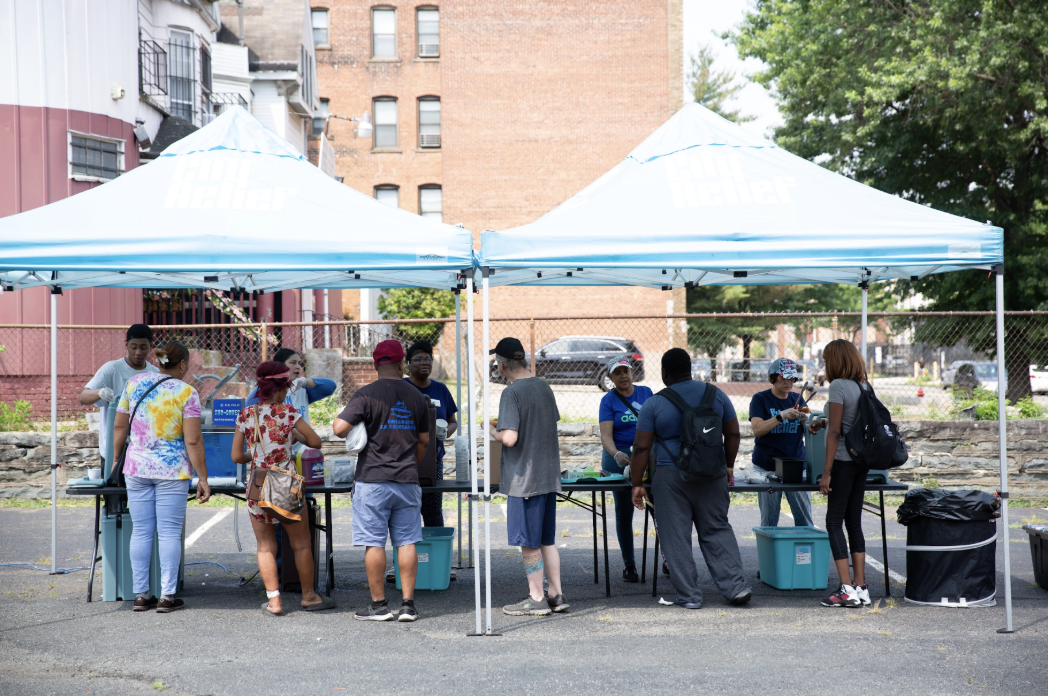
One organization has built its culture around hospitality. The other has built its culture around process. At City Relief, we train our volunteers to “think Disney, not the DMV.” Both experiences may involve waiting in line, but one prioritizes the person while the other prioritizes the process.
That distinction matters.
Over the years, I’ve accompanied many people experiencing homelessness into shelters, drop-in centers, and nonprofit offices while helping them connect to services. I’ve seen firsthand how easily an organization can talk about dignity and trauma-informed care without creating an experience that actually feels dignifying or safe.
The poster on the wall may say, “You matter.” But the process can still communicate, “You’re a problem.” Policies and procedures are necessary, but they should exist to serve people. People should never exist to serve the process, especially in a place where vulnerable people are daring to ask for help.
Here’s the uncomfortable question: Which approach does your home, workplace, organization, or community reflect?
Most of us hope we prioritize people. But if we’re honest, we can become addicted to our processes. Churches, businesses, and nonprofits may have greeters, coffee, signs, and friendly people at the door. But hospitality is about much more than whether someone smiles when you enter the building. It’s about what happens when your life is complicated.
What happens when you smell like you haven’t showered in a week? When mental illness makes it difficult to follow social cues? When your children are loud, your paperwork is missing, or your problems can’t be resolved during a fifteen-minute conversation? Are you still welcome then?
Paul writes in Romans 12, “Share with the Lord’s people who are in need. Practice hospitality.”
I love that word: practice. Hospitality isn’t simply something we believe in. It’s something we repeatedly do until it becomes part of who we are. Biblical hospitality goes beyond entertaining friends. It means loving the stranger, the person outside our circle who may never return the favor.
That kind of welcome prioritizes people over efficiency. It makes room for interruption. It looks beyond someone’s immediate needs and recognizes their inherent dignity.
Many people experiencing homelessness endured rejection long before losing their housing. A meal, a coat, housing, and healthcare all matter enormously. But so does having someone remember your name. So does being expected. So does discovering a place where your presence isn’t treated as a problem.
This is an opportunity for all of us—families, churches, businesses, nonprofits, and entire communities. We can create spaces of unreasonable hospitality where strangers become neighbors and neighbors become family.
Because true belonging isn’t simply being allowed into the room. It’s knowing the room would be incomplete without you. Whatever space you happen to occupy, be it a home, workplace, church, or community, make it one where people don’t merely feel simply permitted to enter, but where they are genuinely expected, valued, and known.
With Gratitude,
Josiah Haken
City Relief, CEO
P.S. If you’re available Thursday, August 20th —and anywhere within driving distance of central Indiana—I’d love for you to join me at the Northview Network Missions & Outreach One Day Gathering in Carmel, Indiana. I’ll be leading a workshop called Wide-Open Doors & Well-Worn Sidewalks: Becoming the Kind of Church That Sees, Welcomes, and Goes. You can register for free here.
