
The Growing Faces of Homelessness
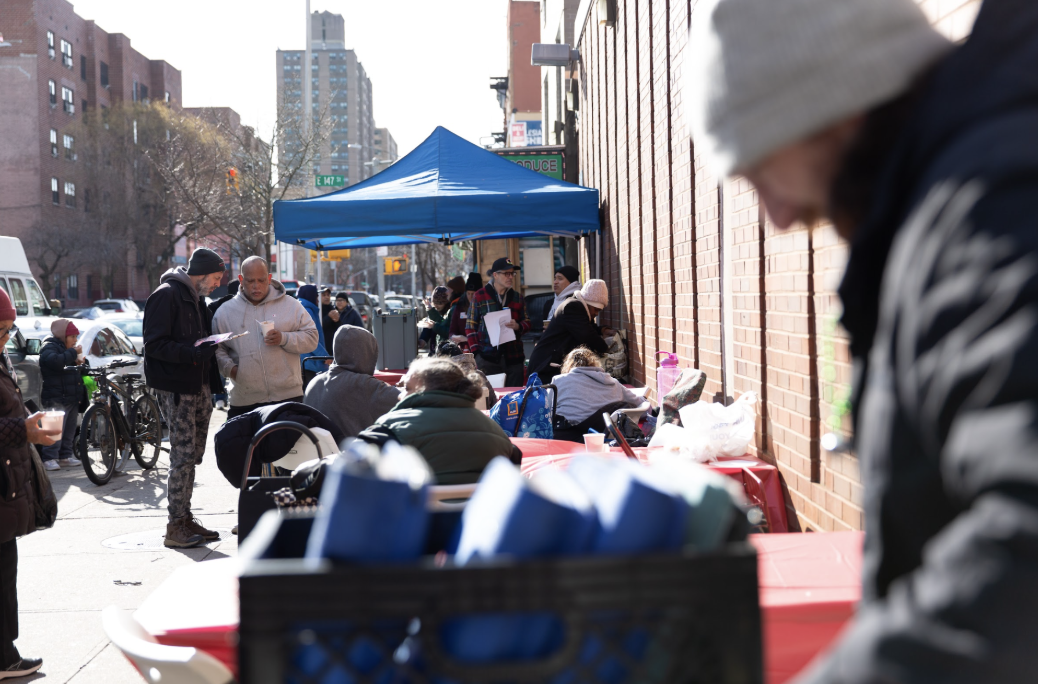
I hope 2026 is beginning with a sense of hope and anticipation for you. A new year always invites reflection—and for us at City Relief, it also brings clarity. After a brief pause between Christmas and New Year’s, our team is back on the streets of Newark, Paterson, and New York City, stepping into what we believe is a pivotal year.
This year is what I’d call a pre-scale season. The need is accelerating. In 2025 alone, we encountered nearly 30% more people at our outreaches than the year before. After more than 15 years in this work, it’s clear that homelessness is becoming more widespread.
Much of that growth is being driven by two of the fastest-growing demographics experiencing homelessness today: women with children and senior citizens.
For families, homelessness is increasingly the result of housing instability, not individual failure. Rising rents, stagnant wages, and the loss of pandemic-era support have left many families—especially single-mother households—with no margin for error. Further, women fleeing domestic violence are forced to choose safety over stability, and their children lose housing alongside them. Yet most shelters and services were designed decades ago for single adults, not families, leaving many children hidden in motels or doubled-up situations that disrupt education, health, and long-term stability.
At the same time, we are facing what many advocates call the “silver tsunami.” As housing and healthcare costs outpace fixed incomes, senior homelessness is rising rapidly. Researchers project that the number of people aged 50 and older experiencing homelessness could nearly triple by 2030, with those 65 and older more than doubling. Many seniors are just one rent increase, medical emergency, or loss of a spouse away from losing their home—yet our systems are largely unprepared for aging bodies, chronic illness, and mobility needs.
So as this new year begins, the question before us is not whether the need is growing, but how we will respond.
If you’re looking for a meaningful way to start 2026, consider getting involved locally: volunteer, advocate for family- and senior-appropriate housing solutions, or partner with organizations working on the front lines. And if City Relief serves in your area, we’d be honored to have you join us.
New years invite new resolve. My hope is that 2026 will be a year where compassion turns into action and where together, we help stem the tide.
With gratitude,
Josiah Haken
City Relief, CEO