
Trauma is A Part Of The Story | Veteran Homelessness Week 3
Over the last two weeks, we've explored barriers veterans face when accessing housing, healthcare, and other support. We've discussed missing documentation, complex systems, and the difficulty of navigating resources while in crisis.
This week, I want to explore something less visible: trauma.
Before we go further, it's worth acknowledging that the word trauma is used frequently these days. Sometimes it accurately describes genuinely life-altering experiences. Other times it's used more casually for situations that were uncomfortable, frustrating, or disappointing.
As a result, many people have grown skeptical of the term. The more broadly it's applied, the harder it can be to recognize and respond to trauma when it's truly present.
But trauma is real—and far more common than many realize. While about 6% of Americans will experience Post Traumatic Stress Disorder (PTSD) during their lifetime, rates are much higher among veterans. The VA estimates that roughly 11–20% of veterans who served in Iraq and Afghanistan experience PTSD in a given year, and nearly 30% will experience it at some point in their lives.
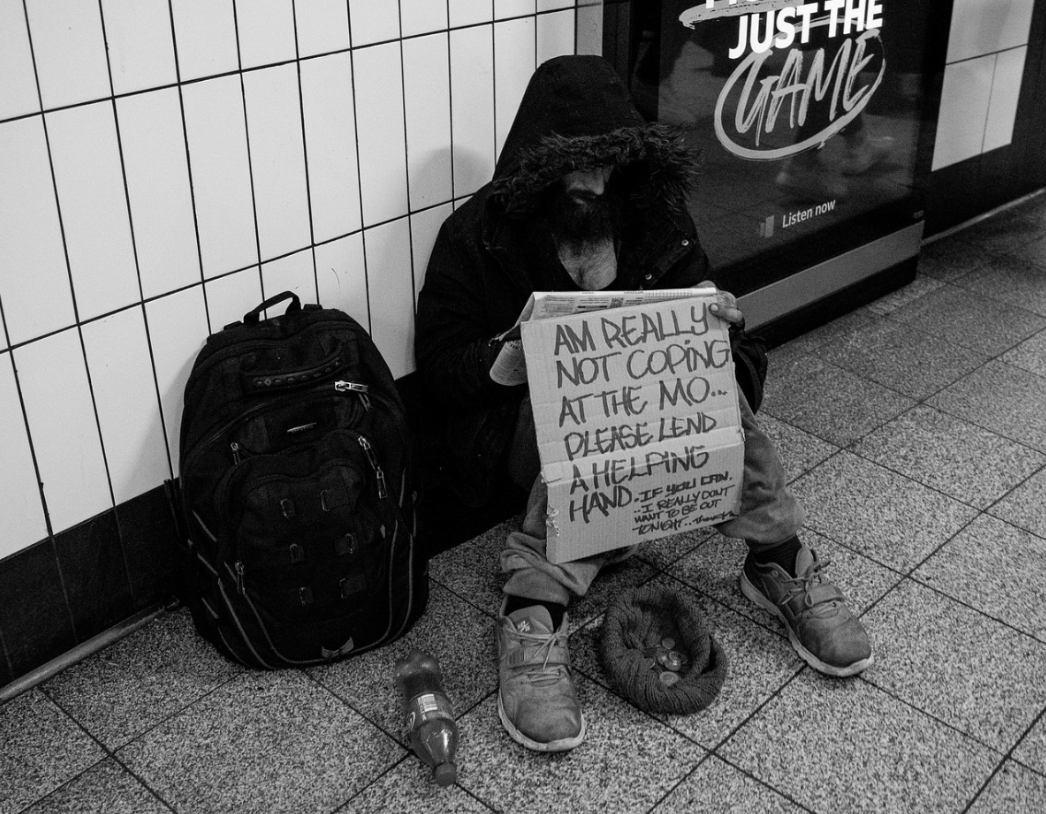
Among people experiencing homelessness, trauma histories are extraordinarily common, including childhood abuse, domestic violence, serious illness, military trauma, community violence, and the trauma of homelessness itself. More than one in four people experiencing homelessness are living with PTSD—a rate several times higher than that of the general population.
In other words, trauma is not the exception. For many people experiencing homelessness, it's part of the story.
Trauma is more than stress or an unpleasant experience. It occurs when an event overwhelms a person's ability to cope and continues shaping how they experience the world long after it ends.
The question isn't simply whether something difficult happened years ago. It's whether that experience still affects a person's ability to trust, connect with others, navigate systems, maintain relationships, or feel safe today.
This is one reason trauma-informed care has become such an important part of addressing veteran homelessness. Being trauma-informed does not mean eliminating accountability, excusing harmful behavior, or lowering expectations. It means recognizing that past experiences often shape present behavior and responding accordingly.
Imagine a veteran walks into a service office seeking help. He's visibly agitated, defensive, struggles to answer questions, and becomes frustrated halfway through the intake process.
One response might be to conclude that he's being difficult or uncooperative. A trauma-informed response asks a different question: What if this person's behavior is being shaped by experiences we cannot see?
Instead of escalating the interaction, staff might slow the conversation, explain each step clearly, offer choices when possible, reduce unnecessary stress, and focus on building trust before expecting full engagement.
The goal is not to lower the bar. The goal is to remove barriers that may prevent someone from accessing help. At its best, trauma-informed care is built on a simple but powerful shift. Instead of asking, "What's wrong with this person?" It asks, "What happened to this person?"
That shift has played an important role in the progress we've made addressing veteran homelessness over the past fifteen years.
And one of the most important lessons we've learned is that trauma is not unique to veterans. Veterans may carry combat trauma. Others may carry childhood trauma, the effects of abuse, addiction, incarceration, family separation, or years spent surviving on the streets. The details differ, but the human reality is often remarkably similar.
If we're serious about helping people move from crisis to stability, we must understand not only the practical barriers they face but also the invisible wounds they carry.
Because when we misunderstand trauma, we often misdiagnose the problem—and when we misdiagnose the problem, we prescribe the wrong solution.
Next week, we'll take a closer look at what trauma can look like in everyday life—and why behaviors often interpreted as resistance, laziness, or lack of motivation may be something else entirely.
Until then,
Josiah Haken
City Relief, CEO
