
Bulletin Board
The place where you can stay up to date with the latest events, stories, news, and opportunities for our City Relief community.
Why "Service Resistant" Doesn't Tell The Whole Story | Veteran Homelessness Week 5
Over the last few weeks, we've explored some of the barriers veterans face when trying to access housing and support. We've talked about documentation, complex systems, instability, and trauma. Last week, we paused to reflect on Juneteenth. This week, I want to return to a topic that intersects with both veteran homelessness and homelessness more broadly: trauma.
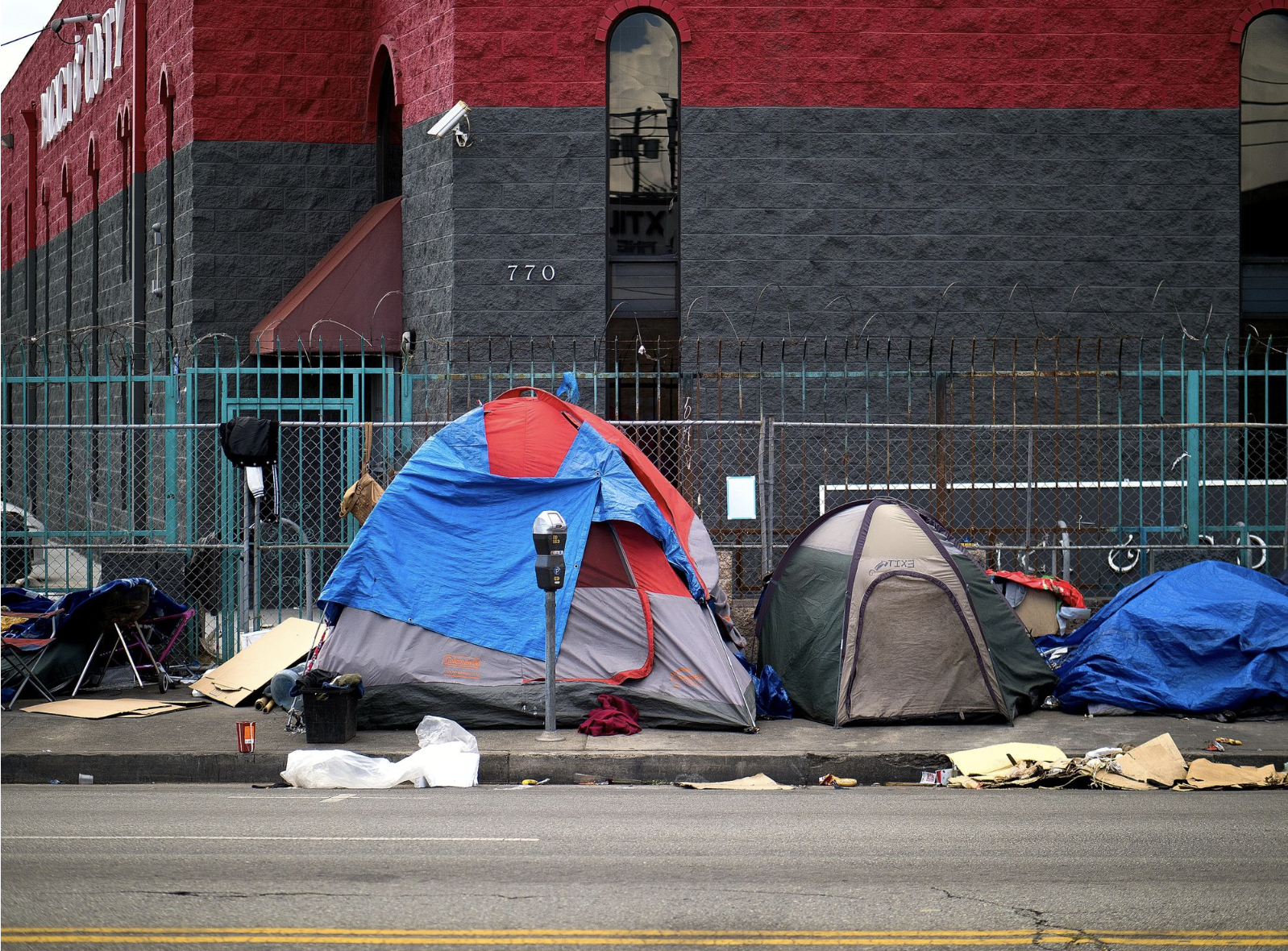
In the homelessness services world, the phrase "service resistant" gets used frequently. It's typically used to describe someone who declines help, misses appointments, avoids case managers, or disengages from services. Sometimes the label fits. But after fifteen years of outreach, I've become increasingly skeptical of how often it's used. Because what we often interpret as unwillingness may actually be inability.
The Intersection of Juneteenth, Veterans and Homelessness | Veteran Homelessness Week 4
Honestly, I didn’t learn about Juneteenth until I was an adult. Like many Americans, I made it through years of school without fully understanding why June 19th holds such deep significance for so many of my Black brothers and sisters.
Juneteenth commemorates June 19, 1865, when Union troops arrived in Galveston, Texas, and announced that enslaved people were free, more than two years after President Abraham Lincoln signed the Emancipation Proclamation.
Trauma is A Part Of The Story | Veteran Homelessness Week 3
Over the last two weeks, we've explored barriers veterans face when accessing housing, healthcare, and other support. We've discussed missing documentation, complex systems, and the difficulty of navigating resources while in crisis.
This week, I want to explore something less visible: trauma.
Before we go further, it's worth acknowledging that the word trauma is used frequently these days. Sometimes it accurately describes genuinely life-altering experiences. Other times it's used more casually for situations that were uncomfortable, frustrating, or disappointing.
As a result, many people have grown skeptical of the term. The more broadly it's applied, the harder it can be to recognize and respond to trauma when it's truly present.
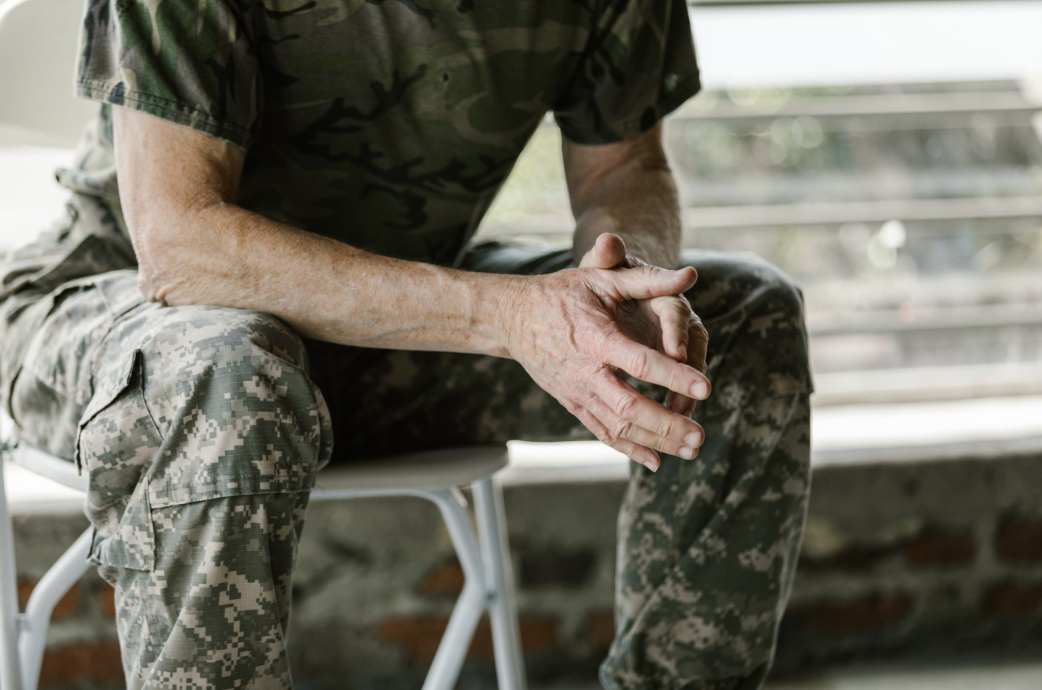
Veteran Homelessness And The Three Barriers That Fuel It | Week 2
Last week, I wrote about the progress our country has made in reducing veteran homelessness. Since 2010, veteran homelessness has been cut by more than half nationwide!
That's remarkable progress.
But it also raises an important question: If housing programs, healthcare benefits, disability assistance, and other resources exist specifically for veterans, why do thousands of veterans still experience homelessness every night?
After fifteen years of street outreach, I've learned that the challenge is often not the absence of help. It's access. At City Relief, we regularly meet veterans who qualify for support but struggle to obtain it. While every story is different, three barriers come up again and again.
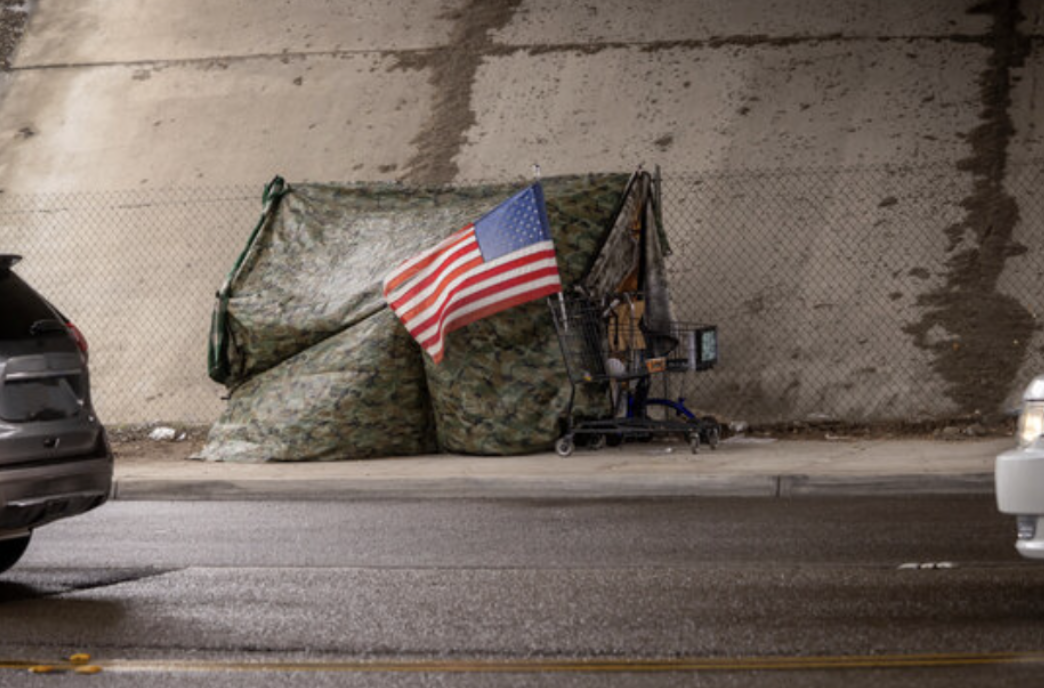
How Does Someone Serve Their Country and Still End Up Homeless? Week 1
A few years ago, I was sitting on a sidewalk in New York City talking with a man who had served in the military. As we spoke, he told me about his years of service, the places he had been stationed, and some of the challenges he faced after returning home. He wasn’t looking for sympathy. He wasn’t angry. In many ways, he was simply trying to survive another day.
What struck me most wasn’t his story. It was the question his story raised. How does someone serve their country and still end up homeless?
Over the next few weeks, I want to explore that question.