
Why "Service Resistant" Doesn't Tell The Whole Story | Veteran Homelessness Week 5
Over the last few weeks, we've explored some of the barriers veterans face when trying to access housing and support. We've talked about documentation, complex systems, instability, and trauma. Last week, we paused to reflect on Juneteenth. This week, I want to return to a topic that intersects with both veteran homelessness and homelessness more broadly: trauma.
In the homelessness services world, the phrase "service resistant" gets used frequently. It's typically used to describe someone who declines help, misses appointments, avoids case managers, or disengages from services. Sometimes the label fits. But after fifteen years of outreach, I've become increasingly skeptical of how often it's used. Because what we often interpret as unwillingness may actually be inability.
Trauma can affect memory, concentration, emotional regulation, decision making, and a person's ability to trust others. As a result, behaviors that seem irrational from the outside can make perfect sense to the person experiencing them.
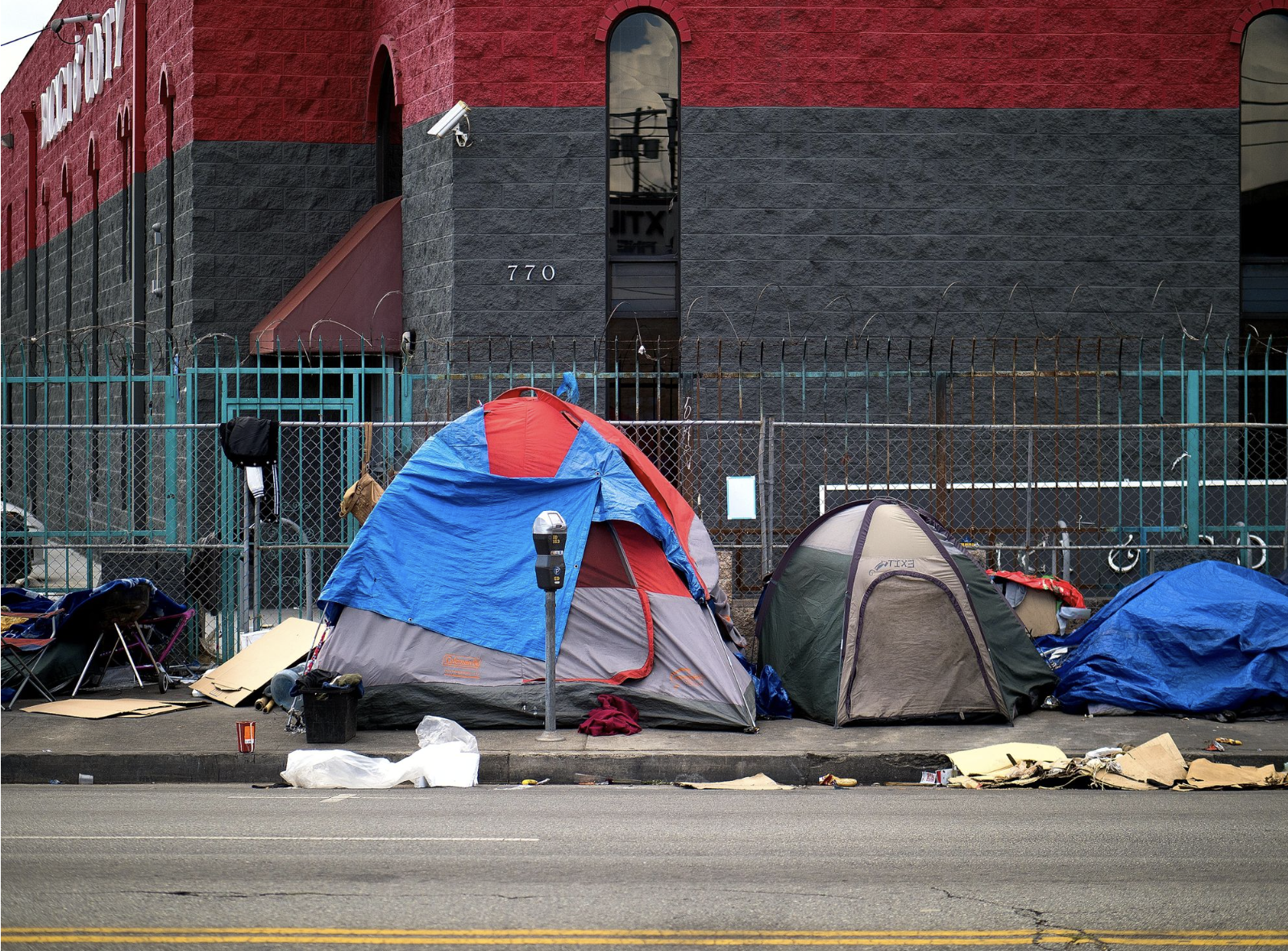
Imagine a veteran who has spent years sleeping in a tent. After months of effort, he finally moves into an apartment. A few weeks later, a case manager stops by and discovers the bed untouched. Instead, he has built a small tent in the corner of the room and is sleeping on the floor. From the outside, that behavior might seem irrational. Some might interpret it as mental illness. Others might see it as ingratitude or a rejection of the opportunity he has been given.
But what if the explanation is much simpler?
What if, after years of sleeping in confined spaces, his body no longer knows how to relax in an open room? What if the tent feels safer? More familiar? More predictable? The goal isn't to convince him to sleep on the floor forever. The goal is to recognize that healing often happens gradually. Sometimes the first step toward sleeping in a bed is having the freedom to sleep on the floor.
This is why labels like service resistant can be so problematic. We observe behavior and immediately assign meaning to it. We assume someone is rejecting help when they may simply be responding to experiences most of us have never had to endure.
When we assume someone is unwilling, we tend to become impatient and stop asking questions. We conclude they simply don't want to change.
But when we recognize that trauma may be involved, our posture shifts.
We become more curious, patient, and willing to build trust before demanding compliance. To be clear, understanding trauma does not eliminate accountability. People are still responsible for their choices. Actions still have consequences, but accountability and compassion are not opposites.
The more time I spend with veterans and others experiencing homelessness, the more convinced I become that many of the behaviors we find confusing make sense once we understand the story behind them.
And if we're honest, most of us have our own coping mechanisms, fears, and routines that wouldn't make much sense to an outsider either. The difference is that our coping mechanisms tend to be socially acceptable. Theirs are simply more visible.
With gratitude,
Josiah Haken
City Relief, CEO
